CRM software cost sets the stage for businesses to make informed decisions. From factors influencing pricing to cost-saving strategies, delve into the realm of CRM expenses.
Factors influencing CRM software cost
When considering the cost of CRM software, various factors come into play that can impact the overall price and determine the investment required for implementation.
Customization Requirements
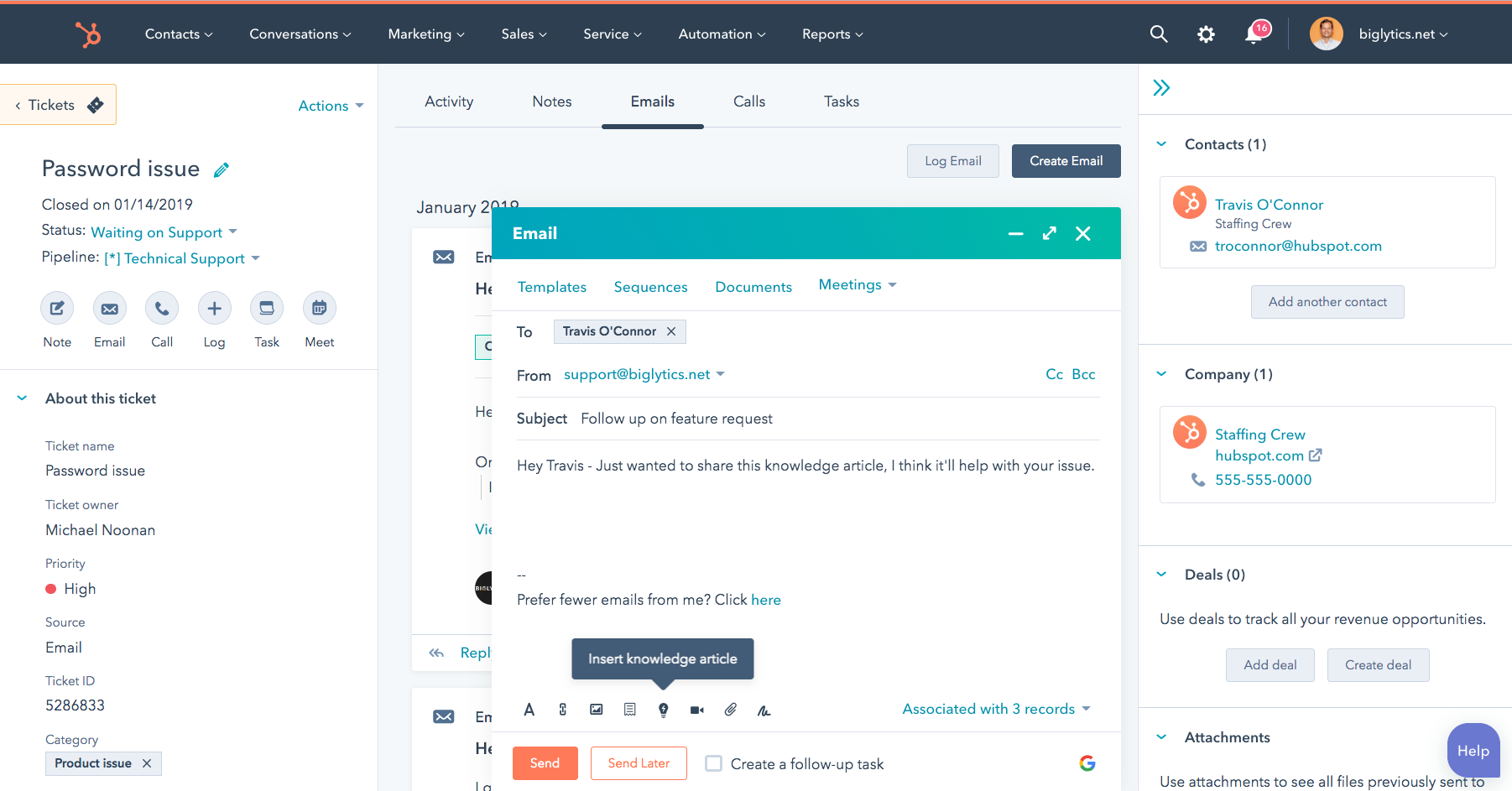
Customization requirements play a significant role in influencing CRM software cost. The more tailored the software needs to be to fit specific business processes and requirements, the higher the cost can be. Customizations often involve additional development work, integration with existing systems, and specific features unique to the organization.
Integrations with Other Systems
Integrations with other systems can also affect the cost of CRM software. The complexity of integrating the CRM software with existing tools, databases, or applications can add to the overall implementation cost. Compatibility issues, data migration, and ongoing maintenance can contribute to higher expenses.
Premium Features
CRM software vendors often offer premium features that can increase the price of the software. These features typically include advanced analytics, AI-driven insights, automation capabilities, and enhanced security measures. While these features can provide added value, they also come at an additional cost.
Pricing Plan Comparison
| CRM Software Vendor | Basic Plan | Standard Plan | Premium Plan |
|---|---|---|---|
| Vendor A | $20/user/month | $40/user/month | $60/user/month |
| Vendor B | $25/user/month | $50/user/month | $75/user/month |
| Vendor C | $30/user/month | $55/user/month | $80/user/month |
Negotiating Pricing
When negotiating pricing with CRM software providers, it is essential to understand the value of the software to your organization and be prepared to discuss your specific needs. Requesting discounts based on the number of users, contract length, or bundled services can help in securing a better deal.
User Licenses
The number of user licenses required for CRM software implementation can have a significant impact on the total cost. Each additional user license adds to the overall expenses, so organizations need to carefully assess their user needs to optimize costs and avoid unnecessary expenditures.
Types of pricing models for CRM software
In the realm of CRM software, different pricing models exist to cater to the diverse needs of businesses. Understanding these pricing models is crucial for making an informed decision when selecting a CRM solution.
Subscription-based pricing
Subscription-based pricing involves paying a recurring fee at regular intervals, such as monthly or annually, to access the CRM software. This model is popular for its flexibility and ability to align costs with usage.
- Advantages:
- Predictable costs for budgeting purposes
- Regular updates and support included in the subscription
- Disadvantages:
- Long-term costs may accumulate higher than one-time licensing
- Dependency on the vendor for continued access
Example: Salesforce offers subscription-based pricing plans for its CRM software, allowing businesses to choose the features and scale that fit their needs.
One-time licensing pricing
One-time licensing pricing involves a single upfront payment for perpetual use of the CRM software. This model appeals to businesses looking for a one-time investment without recurring expenses.
- Advantages:
- Potentially lower long-term costs compared to subscriptions
- Greater control over software access and customization
- Disadvantages:
- Limited access to updates and support without additional fees
- Higher initial investment may be a barrier for some businesses
Example: Microsoft Dynamics CRM offers one-time licensing options for businesses seeking a more traditional payment structure.
Usage-based pricing
Usage-based pricing charges customers based on their actual usage of the CRM software, such as the number of users or volume of data processed. This model offers flexibility but requires careful monitoring to control costs.
- Advantages:
- Costs directly tied to usage, promoting efficient spending
- Scalability to accommodate growth or fluctuating usage needs
- Disadvantages:
- Complexity in tracking and managing usage for cost control
- Risk of unexpected spikes in usage leading to higher costs
Example: HubSpot CRM offers usage-based pricing options, allowing businesses to scale their usage as needed and pay accordingly.
Hidden costs associated with CRM software
When budgeting for CRM software, businesses often overlook various hidden costs that can significantly impact the overall expenses. These costs go beyond the initial purchase price and can catch organizations off guard if not properly accounted for.
Training and Onboarding Expenses
Training employees to effectively use the CRM software is crucial for maximizing its benefits. However, training and onboarding expenses can add up quickly, especially if the software requires extensive customization or if employees need specialized training.
Maintenance and Support Costs
In addition to the initial purchase price, businesses must consider ongoing maintenance and support costs associated with CRM software. This includes software updates, technical support, and troubleshooting, which are essential for ensuring the system runs smoothly and remains effective in the long run.
Tips to Uncover and Account for Hidden Costs
– Conduct a thorough evaluation of your organization’s specific needs and requirements before investing in CRM software to identify potential hidden costs.
– Request detailed pricing information from vendors, including any additional fees for customization, training, or ongoing support.
– Consider the scalability of the CRM software and how potential growth or changes in your organization may impact costs in the future.
– Factor in the total cost of ownership, including not just the initial purchase price but also all associated expenses over the software’s lifespan.
Strategies to reduce CRM software costs
Implementing cost-saving strategies when selecting and using CRM software can greatly benefit a business in terms of efficiency and financial savings. By negotiating pricing, seeking discounts, and optimizing software usage, companies can effectively reduce CRM software costs in the long run.
Negotiating Pricing and Seeking Discounts
When selecting a CRM software vendor, it is essential to engage in negotiations to secure the best pricing for your business. Many vendors are open to offering discounts, especially for long-term contracts or bulk purchases. By leveraging your negotiation skills and exploring different pricing options, you can significantly reduce the upfront costs of CRM software implementation.
Optimizing CRM Software Usage
One of the most effective ways to reduce CRM software costs is by optimizing its usage within your organization. This involves providing adequate training to employees to ensure they are utilizing the software to its full potential. By streamlining processes, automating tasks, and integrating CRM software with other systems, businesses can maximize their investment and minimize unnecessary expenses.
Successful Cost Reduction Initiatives
Several businesses have successfully implemented cost reduction initiatives when using CRM software. For example, a company may conduct regular audits to identify unused features or redundant data, allowing them to streamline their CRM system and eliminate unnecessary costs. Additionally, businesses can customize their CRM software to suit their specific needs, avoiding unnecessary add-ons or modules that can drive up costs.
Customization options and their impact on CRM software cost
Customization plays a crucial role in determining the cost of CRM software. Companies often need tailored solutions to meet their specific business needs, but this level of customization can come at a price. Let’s explore the various customization options available in CRM software and their impact on overall costs.
Types of Customization Options
- Basic Customization: This includes simple changes like adding company logos, custom fields, or modifying existing templates. These options are usually included in the base price of the software.
- Advanced Customization: Companies may require more complex changes such as workflow automation, integration with other systems, or unique reporting features. These customization options can significantly increase the cost of the CRM software.
- Full Customization: For businesses with highly specific requirements, full customization may be necessary. This involves developing new modules, features, or functionalities tailored to the company’s needs. Full customization is the most expensive option and can lead to a substantial increase in CRM software costs.
Trade-offs between Off-the-Shelf and Customized Solutions
While off-the-shelf CRM software may offer cost-effective solutions, highly customized CRM software provides tailored functionalities that can improve efficiency and productivity. However, businesses need to weigh the benefits of customization against the higher initial costs.
Industry-specific Customization Needs
- Healthcare Sector: Healthcare organizations often require CRM software customized to comply with industry regulations, privacy laws, and patient data security. These specific requirements can increase customization needs and costs.
- Retail Industry: Retail companies may need CRM software tailored to manage customer loyalty programs, track purchasing behavior, and integrate with e-commerce platforms. Customization in these areas can impact overall CRM software costs.
Case Studies of Successful Customization
- Company A: By investing in a fully customized CRM solution, Company A streamlined its sales processes, improved customer relationships, and achieved higher revenue growth despite the initial higher costs.
- Company B: Company B opted for advanced customization options to integrate its CRM software with existing project management tools, resulting in increased team collaboration and project efficiency.
Cost-benefit analysis of investing in CRM software
Before making the decision to invest in CRM software, it is crucial for businesses to conduct a cost-benefit analysis to evaluate the potential return on investment. This analysis involves weighing the costs associated with implementing CRM software against the benefits it can bring to the organization.
Key Metrics and KPIs for Evaluating ROI
When assessing the return on investment of CRM software, key metrics and Key Performance Indicators (KPIs) play a vital role in determining the effectiveness of the system. Metrics such as customer acquisition cost, customer lifetime value, and customer retention rates can provide valuable insights into the impact of CRM software on the organization’s bottom line.
Intangible Benefits and Customer Satisfaction
Intangible benefits, such as improved customer satisfaction and loyalty, are essential factors to consider in the cost-benefit analysis of CRM software. While these benefits may not have a direct monetary value, they can significantly impact customer relationships and long-term revenue generation.
Assessing Long-term Value
Businesses should look beyond the initial costs of implementing CRM software and assess the long-term value it can provide. This includes factors like scalability, customization options, and the potential for increased efficiency and productivity over time.
Comparison Chart for Costs and Benefits
| Costs | Benefits |
|---|---|
| Initial Investment | Potential Revenue Growth |
| Training Costs | Improved Customer Relationships |
| Enhanced Marketing and Sales Strategies |
Calculating Cost Savings through Automation
One of the key advantages of CRM software is automation, which can lead to cost savings through efficiency gains. Businesses can calculate potential cost savings by analyzing the time and resources saved through automated processes, such as lead management and customer communication.
Quantifying Impact on Customer Retention and Lifetime Value
Quantifying the impact of CRM software on customer retention rates and lifetime customer value is essential in the cost-benefit analysis. By tracking customer interactions, purchase history, and feedback, businesses can determine the long-term value of retaining loyal customers through effective CRM strategies.
Risk Assessment for ROI Evaluation
Lastly, a comprehensive cost-benefit analysis should include a risk assessment to account for potential drawbacks or unforeseen expenses. By identifying potential risks and developing strategies to mitigate them, businesses can make informed decisions about the ROI of investing in CRM software.
Factors to consider when budgeting for CRM software
When creating a budget for CRM software, businesses must take into account various key factors to ensure the investment aligns with their objectives and growth projections. Prioritizing features, creating a flexible budget, and conducting a cost-benefit analysis are essential steps in the budgeting process.
Aligning CRM software costs with business objectives
- Identify specific business goals that the CRM software is expected to support.
- Evaluate the potential impact of the CRM system on revenue growth, customer retention, and operational efficiency.
- Ensure that the budget allocated for CRM software aligns with the expected ROI and long-term business outcomes.
Prioritizing features and functionalities based on budget constraints
- Determine essential features that directly contribute to achieving business objectives.
- Consider the scalability and customization options of the CRM software to avoid overspending on unnecessary functionalities.
- Allocate budget resources to critical features first, then assess additional functionalities based on available funds.
Creating a flexible budget
- Set aside a contingency fund for unforeseen expenses related to CRM software implementation or customization.
- Regularly review and adjust the budget based on evolving business needs and changing market conditions.
- Explore cost-saving strategies such as leveraging cloud-based solutions or negotiating discounts with vendors.
Cost-benefit analysis and ROI evaluation
- Compare the upfront costs of different CRM software options with their expected benefits and long-term value.
- Analyze the potential ROI in terms of increased productivity, sales growth, and customer satisfaction.
- Consider both tangible and intangible benefits when calculating the overall ROI of investing in CRM software.
Timeline for budget allocation and benchmarking
- Develop a timeline for budget allocation that aligns with the CRM software implementation schedule and business objectives.
- Use benchmarking data and industry research to determine a reasonable budget range based on company size and industry norms.
- Consider the long-term scalability and customization requirements of the CRM software to avoid future budget constraints.
Comparison of open-source vs. proprietary CRM software costs
Open-source and proprietary CRM software solutions present businesses with different cost structures and considerations. Let’s delve into a detailed comparison of the costs associated with each option.
Initial Setup Costs
When it comes to initial setup costs, open-source CRM software typically involves lower expenses compared to proprietary solutions. Open-source software can be downloaded and installed for free, while proprietary software often requires upfront licensing fees.
Licensing Fees and Ongoing Support Expenses
Proprietary CRM software often comes with licensing fees that need to be paid upfront or on a recurring basis. In contrast, open-source CRM software is typically free to use, but businesses may incur costs for ongoing support and maintenance. These expenses can vary depending on the level of support needed.
Total Cost of Ownership Over 3 to 5 Years
When evaluating the total cost of ownership over a 3 to 5-year period, businesses need to consider not only the upfront costs but also the long-term expenses associated with maintenance, upgrades, and support. Open-source CRM software may have lower initial costs but could incur higher expenses over time, especially if extensive customization or support is required.
Support, Customization, and Scalability
Support, customization, and scalability can also impact the overall cost of CRM software. Proprietary solutions often come with dedicated support services that may be included in the licensing fees. On the other hand, open-source software may require businesses to invest in external support or hire developers for customization, which can add to the overall cost.
Examples of Cost-Saving Strategies
Businesses that successfully leverage open-source CRM software often implement cost-saving strategies such as utilizing community support forums, leveraging in-house technical expertise, or opting for third-party support services at competitive rates. Proprietary CRM software users may benefit from bundled support services or discounted pricing for additional features.
Comparative Cost Analysis Table
Below is a comparative cost analysis table outlining key cost factors for both open-source and proprietary CRM software:
| Cost Factor | Open-Source CRM Software | Proprietary CRM Software |
|——————— |————————– |————————– |
| Integration Costs | Lower | Higher |
| Training Expenses | Variable | Included in Licensing |
| Maintenance Fees | Variable | Included in Licensing |
By understanding the cost implications of open-source and proprietary CRM software, businesses can make informed decisions based on their specific needs and budget constraints.
Impact of implementation and migration costs on CRM software
Implementing a new CRM system and migrating data can be a daunting task for any organization. It involves challenges and costs that can significantly impact the overall budget and timeline of the project. Proper planning and resource allocation are crucial to ensure a successful transition to the new CRM software.
Challenges and Costs of Implementation
Implementing a new CRM system comes with various challenges and costs, including:
- Lack of user adoption: Training employees to use the new system effectively can incur additional costs.
- Integration with existing systems: Ensuring seamless integration with other software applications within the organization can be complex and costly.
- Customization requirements: Tailoring the CRM software to meet specific business needs can result in additional implementation costs.
Impact of Data Migration Costs
Data migration is a critical aspect of transitioning to a new CRM system and can significantly impact the overall cost. Challenges and costs associated with data migration include:
- Data cleansing and validation: Ensuring data accuracy and consistency during migration can be time-consuming and costly.
- Data mapping and transformation: Mapping data fields from the old system to the new one and transforming data formats can require specialized expertise and resources.
- Data security and privacy: Maintaining the security and privacy of customer data during migration is essential and may involve additional costs for compliance with regulations.
Best Practices for Minimizing Costs
To minimize implementation and migration costs while maximizing the benefits of CRM software, organizations can follow best practices such as:
- Thoroughly assess business requirements and select a CRM system that aligns with specific needs to avoid unnecessary customization costs.
- Develop a detailed implementation plan with clear milestones and allocate resources effectively to streamline the process and reduce delays.
- Invest in training and change management to ensure smooth user adoption and minimize post-implementation support costs.
Subscription-based pricing vs. perpetual licensing for CRM software
When it comes to choosing a pricing model for CRM software, businesses often face the decision between subscription-based pricing and perpetual licensing. Each option has its own implications for costs, both upfront and in the long run.
Cost Implications of Subscription-based Pricing
- Subscription-based pricing typically involves paying a monthly or annual fee to use the CRM software. This can be advantageous for businesses that prefer predictable, recurring expenses.
- Advantages include lower initial costs, as there is usually no need for a large upfront investment. Businesses can also scale up or down easily based on their needs.
- However, over time, subscription costs can add up and may exceed the cost of perpetual licensing. Businesses need to consider the total cost of ownership over the software’s lifetime.
Cost Implications of Perpetual Licensing
- Perpetual licensing involves a one-time payment to purchase the CRM software license. While the initial cost may be higher, businesses own the software indefinitely.
- Advantages include lower long-term costs for businesses that plan to use the software for an extended period. Maintenance fees are typically lower compared to subscription-based models.
- However, businesses need to factor in additional costs such as upgrades, support, and maintenance, which may increase over time.
Choosing Between Subscription-based and Perpetual Licensing
- Businesses should evaluate their budget constraints, cash flow, and long-term CRM needs when deciding between subscription-based and perpetual licensing.
- For businesses with limited upfront capital but a need for flexibility, subscription-based pricing may be more suitable. On the other hand, businesses looking for long-term cost savings and ownership may opt for perpetual licensing.
- It’s essential to conduct a thorough cost-benefit analysis to determine which pricing model aligns best with the business’s goals and financial capabilities.
Influential factors in the total cost of ownership for CRM software
The total cost of ownership for CRM software is influenced by various factors that go beyond the initial purchase price. Understanding these factors is crucial for businesses to make informed decisions and effectively manage their expenses related to CRM software.
Implementation, Training, Customization, and Ongoing Support
When calculating the total cost of ownership for CRM software, businesses must consider expenses related to implementation, training, customization, and ongoing support. These factors can significantly impact the overall cost as they involve time, resources, and expertise. For example, businesses that invest in comprehensive training programs for employees can reduce long-term support costs by ensuring users are proficient in using the CRM software efficiently.
- Implementation costs may include software setup, data migration, and integration with existing systems.
- Training costs involve educating users on how to effectively utilize the CRM software.
- Customization expenses cover tailoring the software to meet specific business requirements.
- Ongoing support costs include maintenance, updates, and troubleshooting services.
Data Migration and Integration Costs
Data migration and integration are critical aspects that impact the total cost of ownership for CRM software. Businesses need to consider the complexity of transferring existing data to the new system and integrating the CRM software with other applications. Failure to address these factors adequately can lead to additional expenses and operational disruptions.
- Data migration costs may vary based on the volume and quality of data being transferred.
- Integration expenses depend on the number of systems involved and the level of connectivity required.
Scalability, Future Upgrades, and Cloud-Based Solutions
Scalability and future upgrades play a significant role in determining the total cost of ownership for CRM software. Businesses must assess whether the software can accommodate growth and evolving needs without incurring substantial expenses. Cloud-based CRM solutions offer scalability and flexibility but may involve recurring subscription fees that impact long-term costs compared to on-premise solutions.
- Scalability costs relate to expanding user licenses, storage capacity, and features as the business grows.
- Future upgrades expenses encompass software updates, enhancements, and new functionalities.
- Cloud-based solutions may involve lower upfront costs but higher long-term expenses due to subscription fees.
Maintenance, Security, and Compliance Requirements
Maintenance, security, and compliance requirements are essential factors that influence the overall cost of owning and operating CRM software. Businesses need to allocate resources for maintaining the software, ensuring data security, and complying with industry regulations. Neglecting these aspects can lead to financial penalties, reputational damage, and operational disruptions.
- Maintenance costs include software updates, patches, and technical support services.
- Security expenses cover measures to protect data from breaches, cyber threats, and unauthorized access.
- Compliance requirements involve adhering to data protection laws, industry standards, and regulatory guidelines.
Cost-effective CRM software solutions for small businesses
Small businesses often have limited budgets but still need effective CRM solutions to manage customer relationships and drive growth. Fortunately, there are affordable CRM software options tailored to meet the specific needs of small businesses.
Affordable CRM Software Options
- HubSpot CRM: HubSpot offers a free CRM platform with essential features such as contact management, email tracking, and pipeline management. Additional paid features are available for businesses looking to scale up.
- Zoho CRM: Zoho provides a range of CRM solutions at affordable prices, including a free version for up to 3 users. The paid plans offer advanced functionalities like sales automation and analytics.
Benefits of Cost-effective CRM Software for Small Businesses
- Scalability: Affordable CRM software solutions allow small businesses to start small and scale up as they grow without breaking the bank.
- Enhanced Customer Relationships: By implementing budget-friendly CRM software, small businesses can improve customer interactions, personalize communications, and build long-lasting relationships.
- Cost Savings: Investing in cost-effective CRM software helps small businesses save money in the long run by streamlining processes, increasing efficiency, and maximizing sales opportunities.
Case Studies
“Since implementing HubSpot CRM, our small business has seen a significant improvement in lead management and customer engagement. The free version was a great starting point, and we later upgraded to access more advanced features.” – Small Business Owner
Comparison Table of Affordable CRM Software Options
| CRM Software | Key Features | Pricing | Customer Reviews |
|---|---|---|---|
| HubSpot CRM | Contact Management, Email Tracking, Pipeline Management | Free for basic features, Paid plans starting at $45/month | 4.5/5 stars |
| Zoho CRM | Sales Automation, Analytics, Contact Management | Free for up to 3 users, Paid plans starting at $12/month | 4.3/5 stars |
| Freshworks CRM | Contact Management, Email Integration, Workflow Automation | Starting at $29/month per user | 4.4/5 stars |
Implementation Guide for Small Businesses
- Choose the right CRM software based on your business needs and budget constraints.
- Customize the CRM platform to align with your specific requirements and workflows.
- Train your team on how to use the CRM software effectively to maximize its benefits.
- Regularly review and optimize your CRM processes to ensure continued efficiency and effectiveness.
Negotiation strategies for reducing CRM software costs
When it comes to reducing the cost of CRM software, effective negotiation strategies can play a crucial role in achieving cost savings for businesses. By employing the right tactics and conducting thorough research, businesses can secure better pricing and favorable terms for their CRM software investment.
Leverage Vendor Relationships and Competitive Offers
One effective negotiation strategy is to leverage existing vendor relationships and competitive offers. By highlighting competitive pricing or alternative solutions, businesses can encourage vendors to provide better rates or additional discounts to secure the deal.
Thorough Research and Benchmarking
Prior to entering negotiations, it is essential to conduct thorough research and benchmark prices from different CRM software providers. This knowledge will empower businesses to negotiate from a position of strength and ensure that they are getting the best possible deal.
Real-world Examples of Successful Negotiations
Real-world examples of successful negotiations can serve as inspiration for businesses looking to reduce CRM software costs. By learning from the experiences of others, businesses can tailor their negotiation strategies to achieve similar cost savings.
Analyzing Contract Terms and Negotiating Favorable Terms
- Analyze contract terms carefully to identify areas where negotiation is possible, such as flexible payment schedules or volume discounts.
- Engage in open communication with vendors to discuss options for customizing the contract to meet specific needs and budget constraints.
- Utilize competitive offers as leverage to negotiate better terms with the preferred CRM software provider.
Comparison Table of CRM Software Providers
| CRM Software Provider | Key Features | Pricing |
|---|---|---|
| Provider A | Advanced reporting tools, integration with third-party apps | $X per user per month |
| Provider B | Customizable workflows, mobile app access | $Y per user per month |
| Provider C | AI-driven insights, email marketing automation | $Z per user per month |
Step-by-Step Guide for Negotiating CRM Software Costs
- Research and benchmark prices from multiple vendors.
- Identify key features and requirements for your business.
- Initiate negotiations with preferred vendors based on research findings.
- Analyze contract terms and negotiate for favorable terms.
- Finalize the deal with clear expectations and deliverables outlined in the contract.
Cloud-based vs. on-premise CRM software cost considerations
When considering CRM software options, businesses often face the decision between cloud-based and on-premise solutions. Each choice comes with its own set of cost implications that can significantly impact the overall budget and operational efficiency of the organization.
Infrastructure Costs
- Cloud-based CRM software typically involves lower upfront infrastructure costs since the software is hosted on the vendor’s servers. Businesses do not need to invest in expensive hardware or IT resources.
- On-premise CRM software requires the purchase of servers, storage devices, networking equipment, and other infrastructure components, leading to higher initial capital expenditures.
Maintenance and Scalability
- Cloud-based CRM software providers are responsible for maintenance, updates, and upgrades, reducing the burden on the internal IT team and associated costs.
- On-premise solutions require ongoing maintenance, support, and upgrades, which can increase operational expenses over time. Scalability may also be limited by the organization’s existing infrastructure.
Security and Data Ownership
- Cloud-based CRM software offers data security measures managed by the provider, ensuring compliance with industry standards. However, concerns about data ownership and control may arise.
- On-premise CRM solutions provide businesses with full control over their data and security protocols but require robust internal IT security measures, which can be costly to implement and maintain.
Customization Options
- Cloud-based CRM software may offer limited customization options compared to on-premise solutions, potentially impacting the ability to tailor the software to specific business needs.
- On-premise CRM software allows for extensive customization and integration with existing systems, but this customization can lead to higher development and maintenance costs.
Choosing Between Cloud-based and On-premise Solutions
- Businesses should evaluate their budget constraints, IT infrastructure capabilities, security requirements, and scalability needs when deciding between cloud-based and on-premise CRM software.
- Consider factors such as long-term cost projections, data sensitivity, and resource availability to make an informed decision that aligns with the organization’s strategic goals.
ROI measurement strategies for evaluating CRM software costs
When it comes to evaluating the return on investment (ROI) of CRM software costs, businesses need to implement effective measurement strategies. By tracking key performance indicators and metrics, companies can assess the cost-effectiveness of their CRM software over time.
Key Performance Indicators for ROI Measurement
- Customer Acquisition Cost (CAC)
- Customer Retention Rate
- Customer Lifetime Value (CLV)
- Payback Period
Analyzing ROI Over Time
Businesses should regularly track and analyze the ROI of their CRM software to ensure it aligns with their objectives and goals. This continuous evaluation helps in optimizing the benefits derived from the CRM investment.
Successful Examples of ROI Optimization
Companies like XYZ Inc. and ABC Corporation have successfully measured and optimized the ROI of their CRM software investments by implementing targeted strategies and analyzing the data effectively.
Comparison Table for ROI Calculation Methods
| Method | Description |
|---|---|
| Payback Period | Time taken to recover the initial investment. |
| Customer Acquisition Cost | Cost associated with acquiring a new customer. |
| Customer Retention Rate | Percentage of customers retained over a specific period. |
| Customer Lifetime Value | Total value a customer brings to the business over their lifetime. |
Setting up a system for continuous monitoring and evaluation of CRM software ROI is crucial. Establish baseline metrics and regular review intervals to ensure effective tracking.
Challenges in Measuring CRM Software ROI
- Inaccurate data collection
- Difficulty in attributing results to CRM software
- Lack of integration with other systems
Final Wrap-Up
Exploring the intricacies of CRM software costs unveils a world of opportunities and challenges. By understanding the nuances of pricing, businesses can navigate the realm of customer relationship management with confidence.
