CRM for Sales and Marketing Automation revolutionizes how businesses interact with customers, optimize sales strategies, and enhance marketing campaigns. Dive into the world of CRM with us.
Explore the benefits, challenges, and strategies surrounding CRM integration for seamless business operations.



Introduction to CRM for Sales and Marketing Automation
Customer Relationship Management (CRM) plays a crucial role in sales and marketing automation by providing a centralized platform to manage interactions with customers and prospects. It involves using technology to organize, automate, and synchronize sales, marketing, customer service, and technical support.
Benefits of Integrating CRM into Sales and Marketing Processes
- Improved Customer Relationships: CRM allows businesses to maintain a comprehensive view of each customer, enabling personalized interactions and better customer service.
- Enhanced Sales Efficiency: By automating various sales processes, CRM helps sales teams focus on high-priority leads and opportunities, leading to increased productivity.
- Better Marketing Campaigns: With CRM, marketing teams can segment customers based on their preferences and behaviors, enabling targeted and more effective marketing campaigns.
- Streamlined Data Management: CRM centralizes customer data, making it easier to track interactions, analyze trends, and make data-driven decisions.
Importance of Streamlining Customer Data for Effective Automation
Efficient automation relies on accurate and up-to-date customer data. By streamlining customer data through CRM, businesses can:
- Ensure Consistency: CRM helps maintain consistent customer information across different departments, reducing errors and enhancing collaboration.
- Enhance Personalization: By having a holistic view of customer data, businesses can personalize interactions, leading to better customer engagement and loyalty.
- Drive Insights: Consolidated customer data enables businesses to gain valuable insights into customer behavior, preferences, and trends, facilitating informed decision-making.
Key Features of CRM for Sales and Marketing Automation
When it comes to CRM systems for sales and marketing automation, there are several key features that play a crucial role in streamlining processes and enhancing customer relationships. These features are designed to help businesses effectively manage leads, optimize sales strategies, and improve overall marketing performance.
Lead Management
Lead management is a fundamental aspect of CRM software, allowing businesses to efficiently capture, track, and nurture leads throughout the sales funnel. CRM systems enable users to organize leads based on various criteria, prioritize them, and assign them to the appropriate sales representatives. Additionally, lead scoring capabilities help identify the most promising leads, ensuring that sales teams focus their efforts on high-potential opportunities.
Analytics and Reporting
Analytics and reporting functionalities are essential in CRM systems for optimizing sales and marketing strategies. These features provide valuable insights into customer behavior, campaign performance, and sales pipeline metrics. By analyzing data generated through CRM software, businesses can identify trends, measure the effectiveness of marketing campaigns, and make data-driven decisions to improve overall business performance. Real-time reporting capabilities enable quick adjustments to sales and marketing efforts, ensuring that teams stay agile and responsive to market changes.
Implementation of CRM in Sales and Marketing Automation
Implementing CRM in sales and marketing automation processes is crucial for streamlining operations, improving customer relationships, and boosting overall efficiency. Below are the steps to successfully integrate CRM into your sales and marketing strategies.
Steps for Successfully Implementing CRM
- Define your objectives: Clearly outline what you aim to achieve with CRM implementation, whether it’s improving lead generation, enhancing customer retention, or increasing sales.
- Choose the right CRM software: Select a CRM platform that aligns with your business needs, offers essential features for sales and marketing automation, and provides scalability for future growth.
- Customize your CRM system: Tailor the CRM software to suit your specific workflows, processes, and data requirements for seamless integration and maximum efficiency.
- Integrate CRM with existing tools: Ensure smooth integration with other tools and systems used in your sales and marketing processes, such as email marketing platforms, analytics tools, or ERP systems.
- Train your sales and marketing teams: Provide comprehensive training to your teams on how to use the CRM software effectively, including data entry, lead management, reporting, and analysis.
- Monitor and evaluate performance: Continuously monitor the performance of your CRM system, gather feedback from users, and make necessary adjustments to optimize its impact on sales and marketing outcomes.
Common Challenges Faced During CRM Implementation and How to Overcome Them
- Resistance to change: Some team members may be resistant to adopting new technology. Address this by highlighting the benefits of CRM, providing training and support, and leading by example.
- Poor data quality: Inaccurate or incomplete data can hinder the effectiveness of CRM. Implement data cleansing processes, establish data governance policies, and regularly audit and update information.
- Lack of executive buy-in: Without support from senior management, CRM implementation may face obstacles. Engage key stakeholders early, communicate the value of CRM, and involve them in decision-making processes.
- Integration complexities: Integrating CRM with existing systems can be complex. Work closely with IT professionals, use integration tools or APIs, and ensure thorough testing to minimize disruptions.
The Importance of Training Sales and Marketing Teams on CRM Software
Training your sales and marketing teams on CRM software is essential for maximizing the benefits of CRM implementation. Proper training ensures that team members understand how to effectively use the CRM system, improve data accuracy, streamline processes, and enhance collaboration. Investing in training also boosts user adoption rates, increases productivity, and ultimately leads to better customer engagement and sales performance.
Integration of CRM with Sales and Marketing Tools
In today’s digital age, integrating Customer Relationship Management (CRM) systems with various sales and marketing tools has become essential for businesses to enhance automation and efficiency in managing customer relationships.
Integration with Email Marketing Platforms
Integrating CRM with email marketing platforms like Mailchimp or HubSpot allows businesses to send targeted and personalized emails to leads and customers. This integration enables seamless synchronization of contact information, email engagement data, and customer preferences, leading to more effective email campaigns and improved customer engagement.
Integration with Social Media Tools
By integrating CRM with social media tools such as Hootsuite or Buffer, businesses can track and manage customer interactions across social media platforms. This integration helps in identifying potential leads, engaging with customers in real-time, and analyzing social media activities to improve lead generation and customer engagement.
Integration with Project Management Tools
CRM integration with project management tools like Asana or Trello streamlines workflow and collaboration within sales and marketing teams. This integration allows for better coordination of tasks, tracking of project progress, and sharing of important customer information, resulting in improved productivity and efficiency in project execution.
Integration with Analytics Tools
Integrating CRM with analytics tools such as Google Analytics or Tableau enables businesses to make data-driven decisions based on customer insights and performance metrics. This integration provides valuable data on customer behavior, campaign effectiveness, and sales performance, empowering businesses to optimize their strategies and drive better results.
Customer Segmentation and Targeting with CRM
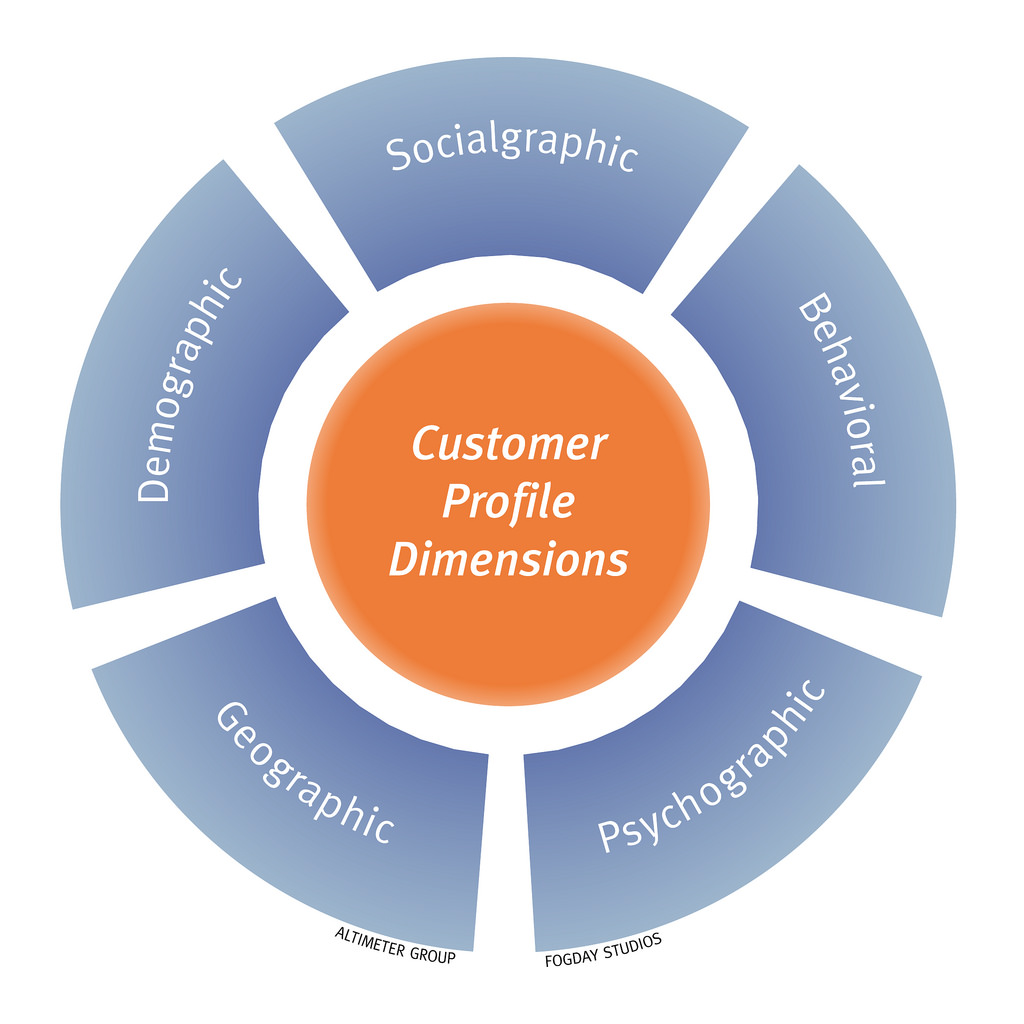
Customer segmentation and targeting with CRM systems play a crucial role in personalized marketing strategies and effective targeting. By leveraging CRM data, businesses can identify specific customer segments based on behavior, demographics, and preferences, allowing for tailored marketing campaigns.
Segmenting Customers Based on Behavior, Demographics, and Preferences
- CRM systems help categorize customers based on their interactions, purchase history, and engagement with the brand.
- Segmenting customers by demographics such as age, gender, location, and income level enables targeted marketing efforts.
- Preferences like product interests, communication channel preferences, and buying habits can also be used to create distinct customer segments.
Significance of Targeted Marketing Campaigns through CRM Data
- Targeted marketing campaigns driven by CRM data lead to higher engagement, conversion rates, and customer satisfaction.
- Personalized messages tailored to specific customer segments result in improved brand loyalty and long-term customer relationships.
- CRM enables businesses to send relevant offers, promotions, and content to the right audience at the right time, increasing the likelihood of conversions.
Examples of Personalized Marketing Strategies Enabled by CRM Segmentation
- Segment-specific email campaigns offering personalized product recommendations based on past purchases and browsing history.
- Customized discounts or promotions targeted towards high-value customers to encourage repeat purchases.
- Dynamic website content that changes based on customer segmentation data to provide a tailored user experience.
Creating Customer Personas and Tailoring Marketing Messages
- CRM data is used to create detailed customer personas representing different segments, including their preferences, needs, and behaviors.
- Marketing messages are tailored to resonate with each customer persona, addressing their specific pain points and interests.
- Personalizing content based on customer personas leads to higher engagement and conversions compared to generic messaging.
Predicting Customer Behavior and Preferences with CRM
- CRM systems analyze customer data to predict future behavior, such as purchase intent, churn likelihood, and product preferences.
- By understanding customer preferences and trends, businesses can anticipate needs and proactively offer relevant solutions or products.
- Predictive analytics in CRM help in forecasting customer behavior for more targeted and effective marketing strategies.
Using CRM Analytics to Measure Success of Targeted Marketing Campaigns
- CRM analytics track key performance indicators (KPIs) related to targeted campaigns, such as conversion rates, ROI, and customer retention.
- Businesses can analyze the impact of targeted marketing efforts on sales, customer engagement, and overall business growth using CRM data.
- Comparing metrics before and after implementing targeted campaigns provides insights into their effectiveness and helps in optimizing future strategies.
Comparison Between Traditional Mass Marketing and Targeted Marketing with CRM Insights
- Traditional mass marketing relies on broad messaging to a wide audience, often resulting in lower response rates and limited personalization.
- Targeted marketing with CRM insights allows for personalized communication, precise targeting, and higher relevance to customer segments.
- CRM-driven targeted marketing leads to better ROI, improved customer engagement, and enhanced brand loyalty compared to traditional mass marketing approaches.
Automation Workflows in CRM for Sales and Marketing
Automation workflows within CRM systems for sales and marketing activities play a crucial role in streamlining processes and improving efficiency.
Efficiency Gains and Time-Saving Benefits
Automated workflows in CRM software allow repetitive tasks to be automated, saving time and reducing the likelihood of human error. By setting up triggers and actions based on specific criteria, businesses can ensure that leads are nurtured, follow-ups are scheduled, and personalized communication is sent out without manual intervention.
- For example, when a new lead is entered into the CRM system, an automated workflow can be set up to send a welcome email, assign a sales representative, and schedule a follow-up call based on predefined rules.
- Automated workflows can also be used to track customer interactions, send out reminders for important dates or events, and even segment customers based on their behavior or preferences.
Examples of Automated Processes
Here are some examples of automated processes that can be achieved using CRM software:
- Lead Nurturing: Automated emails can be sent at different stages of the customer journey to provide relevant information and keep leads engaged.
- Task Reminders: Automated notifications can be set up to remind sales representatives of important follow-ups or deadlines.
- Feedback Surveys: Automated surveys can be triggered after a purchase or interaction to gather valuable feedback for improving products or services.
- Re-Engagement Campaigns: Automated workflows can be used to re-engage dormant leads or customers by sending targeted offers or content based on their past interactions.
Lead Nurturing and Conversion Strategies with CRM
Lead nurturing is a crucial aspect of the sales process that involves building relationships with potential customers at every stage of the buyer’s journey. Utilizing CRM data and automation tools can significantly enhance lead nurturing efforts and increase the chances of converting leads into customers. CRM plays a vital role in tracking lead interactions, analyzing customer behavior, and providing insights to progress leads through the sales funnel efficiently. Additionally, CRM helps in optimizing conversion rates by providing a centralized platform to manage leads, track sales activities, and personalize communication with prospects.
Effective Lead Nurturing Strategies with CRM
- Segmenting leads based on demographics, behavior, and interests to personalize communication and content.
- Utilizing lead scoring to prioritize high-quality leads and allocate resources effectively.
- Automating personalized email sequences and follow-ups based on lead engagement and behavior.
- Tracking lead interactions across multiple channels to understand their preferences and tailor marketing efforts accordingly.
Role of CRM in Conversion Optimization
- Providing a 360-degree view of leads and customers to understand their needs and preferences better.
- Identifying bottlenecks in the sales process and taking corrective actions to streamline the conversion path.
- Enabling sales teams to access real-time data and insights to engage with leads proactively and close deals faster.
- Integrating CRM with marketing automation tools for seamless lead management and conversion tracking.
Customer Relationship Management and Retention
Customer Relationship Management (CRM) plays a crucial role in building and maintaining strong relationships with customers. By utilizing CRM systems, businesses can track customer interactions, preferences, and purchase history to personalize their approach and provide better service.
Using CRM for Customer Retention Strategies
- Implementing loyalty programs: CRM systems can help businesses create and manage customer loyalty programs by tracking customer purchases and rewarding them for their continued support.
- Personalized communication: CRM tools enable businesses to send targeted and personalized messages to customers based on their preferences and behavior, fostering a sense of connection and loyalty.
- Data analysis for customer behavior: CRM allows businesses to analyze customer data to identify patterns and trends, helping them understand customer behavior and tailor their strategies accordingly.
Examples of Customer Retention Programs
- Points-based reward system: Customers earn points for every purchase they make, which can be redeemed for discounts or free products/services.
- Exclusive offers: CRM systems can segment customers based on their buying behavior and offer exclusive deals or promotions to encourage repeat purchases.
Role of Data Analysis in CRM
- Data-driven decisions: CRM systems use data analysis to help businesses make informed decisions regarding customer engagement and retention strategies.
- Predictive analytics: By analyzing historical data, businesses can predict future customer behavior and tailor their retention efforts effectively.
Creating Customer Loyalty Programs in CRM
- Define loyalty tiers: Establish different levels of loyalty based on customer spending or engagement, offering increasing benefits as customers move up the tiers.
- Reward referrals: Encourage existing customers to refer new leads by offering rewards or discounts through the CRM system.
Comparison of CRM Software for Customer Retention
- Salesforce: Offers robust customer management features, including personalized marketing campaigns and loyalty program management.
- HubSpot CRM: Provides tools for customer segmentation, email marketing automation, and customer feedback management to enhance retention efforts.
Mobile CRM for Sales and Marketing Automation
Mobile CRM applications play a crucial role in enhancing the efficiency and effectiveness of sales and marketing teams by providing access to real-time data and enabling seamless communication. Let’s delve deeper into the benefits and features of mobile CRM in the context of sales and marketing automation.
Benefits of Mobile CRM Applications
- Improved Accessibility: Mobile CRM allows sales and marketing professionals to access customer data, sales information, and marketing campaigns on the go, leading to increased productivity.
- Enhanced Communication: With mobile CRM, team members can collaborate and communicate in real-time, leading to quicker decision-making and improved customer interactions.
- Flexibility and Convenience: The ability to use CRM tools on mobile devices enables professionals to work from anywhere, at any time, making it easier to stay connected with leads and customers.
Features of Mobile CRM for Sales and Marketing Teams
- Mobile Dashboard: Provides a snapshot of key metrics and KPIs for quick decision-making.
- Geolocation Tracking: Helps sales reps plan routes efficiently and prioritize leads based on proximity.
- Offline Access: Allows users to access and update data even without an internet connection, ensuring seamless workflow.
- Instant Notifications: Alerts users about important tasks, follow-ups, or changes in customer behavior, enabling timely responses.
Impact of Mobile CRM on Lead Management and Customer Relationship Building
Mobile CRM empowers sales and marketing teams to nurture leads effectively, track interactions, and personalize communication based on real-time insights. This leads to stronger relationships with customers and improved conversion rates.
Usability of Mobile CRM vs. Traditional CRM Systems
Mobile CRM offers the advantage of mobility and flexibility, allowing professionals to work efficiently from anywhere. In contrast, traditional CRM systems may lack real-time updates and accessibility, limiting productivity for on-the-go teams.
Best Practices for Integrating Mobile CRM into Daily Workflow
- Provide Training: Ensure all team members are proficient in using the mobile CRM platform to maximize its benefits.
- Customize for User Needs: Tailor the CRM interface to match the specific requirements of sales and marketing professionals for seamless integration.
- Regular Updates: Stay informed about new features and updates to leverage the full potential of the mobile CRM application.
Setting Up and Customizing a Mobile CRM Platform for Sales and Marketing Automation
To set up a mobile CRM platform tailored for sales and marketing automation, follow these steps:
- Choose a Mobile CRM Solution: Select a CRM application that aligns with your business goals and requirements.
- Customize Fields and Layout: Configure the CRM platform to capture relevant data points and display them in a user-friendly interface.
- Integrate with Existing Tools: Ensure seamless integration with other sales and marketing tools to streamline workflows and data management.
- Train Users: Provide comprehensive training to sales and marketing teams on how to effectively use the mobile CRM platform for maximum impact.
Data Security and Compliance in CRM Systems
Data security and compliance are crucial aspects of CRM systems to safeguard customer information and ensure adherence to data protection regulations like GDPR.
Measures for Data Security
- Encryption of Data: CRM software often utilizes encryption techniques to protect sensitive customer data from unauthorized access.
- Access Control: Implementing role-based access control helps restrict data access to authorized personnel only.
- Regular Data Backups: Automated backups ensure that data can be recovered in case of system failures or cyber-attacks.
- Firewall Protection: CRM systems are equipped with firewalls to prevent external threats and unauthorized access attempts.
Importance of Compliance with Data Protection Regulations
- Legal Obligations: Compliance with regulations like GDPR ensures that customer data is handled transparently and securely.
- Reputation Management: Adhering to data protection laws helps build trust with customers and enhances the company’s reputation.
- Avoiding Penalties: Non-compliance can lead to hefty fines and penalties, making it essential for businesses to follow data protection regulations.
Security Features in CRM Software
- Data Masking: CRM systems offer data masking capabilities to hide sensitive information like credit card details from unauthorized users.
- Audit Trails: Tracking user activities through audit trails helps monitor data access and identify any suspicious behavior.
- Two-Factor Authentication: Implementing two-factor authentication adds an extra layer of security by requiring users to provide two forms of verification before accessing the CRM system.
- IP Restrictions: Setting up IP restrictions limits access to the CRM system to specific IP addresses, enhancing security measures.
Customization and Scalability of CRM Solutions
Customization and scalability are key elements in the successful implementation of CRM solutions for sales and marketing automation. Let’s delve into why these features are crucial for businesses of all sizes.
Importance of Customizable Features
Customizable features in CRM systems allow businesses to tailor the platform according to their specific needs and processes. This flexibility enables companies to align the CRM system with their unique business requirements, workflows, and industry standards. For example, a real estate agency may need custom fields to track property details, while a healthcare provider may require specific data fields for patient information.
Scalable CRM Solutions for Business Growth
Scalability in CRM solutions ensures that the system can accommodate business growth and changing requirements over time. As companies expand their customer base, products, or services, a scalable CRM platform can easily adapt to increased data volume, user roles, and functionalities without compromising performance. This scalability is vital for businesses looking to scale operations without the need for a complete system overhaul.
Industries Benefiting from Customizable CRM Platforms
- Healthcare: Customizable CRM solutions allow healthcare providers to manage patient data securely, track medical histories, and personalize patient interactions for improved care delivery.
- Manufacturing: CRM platforms tailored to the manufacturing industry help streamline supply chain management, track inventory levels, and enhance customer communication for efficient order processing.
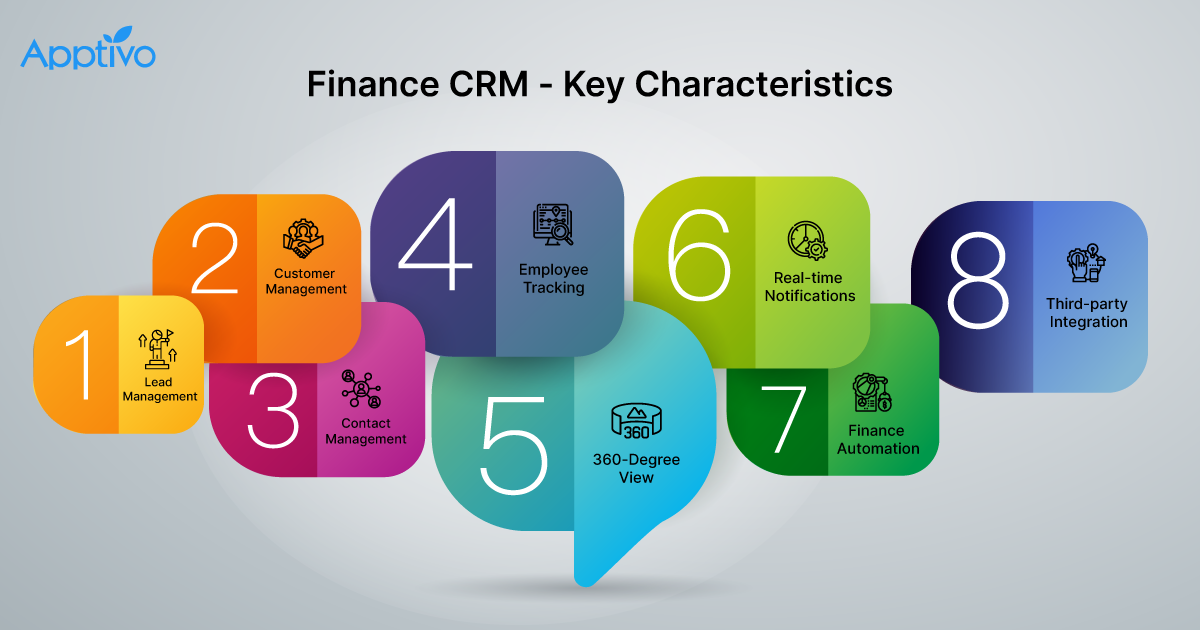
- Financial Services: Customizable CRM systems in financial services enable personalized client interactions, compliance management, and lead tracking for effective sales and marketing strategies.
CRM Integration with E-commerce Platforms
Integrating CRM with e-commerce platforms can significantly enhance customer experience and boost sales by providing a seamless shopping journey and personalized interactions.
Advantages of CRM Integration with E-commerce Platforms
- Tracking Customer Interactions: CRM integration allows businesses to track customer interactions across various channels, providing a holistic view of customer behavior and preferences.
- Personalized Shopping Experiences: By leveraging CRM data, businesses can offer personalized product recommendations, discounts, and promotions based on customer preferences and past purchases.
Setting up CRM Integration with E-commerce Platforms
Setting up CRM integration with popular e-commerce platforms like Shopify, WooCommerce, or Magento involves the following steps:
- Choose a CRM system that offers seamless integration with your e-commerce platform.
- Install the necessary plugins or connectors to link your CRM system with the e-commerce platform.
- Configure the integration settings to ensure data synchronization between CRM and the e-commerce platform.
Utilizing CRM Data for Targeted Marketing Campaigns
CRM data can be utilized to create targeted marketing campaigns for different customer segments by:
- Segmenting customers based on their buying behavior, preferences, and demographics.
- Personalizing marketing messages and offers to cater to the specific needs and interests of each customer segment.
Importance of Data Accuracy in CRM Integration
Maintaining data accuracy and consistency is crucial when integrating CRM with e-commerce platforms to ensure:
- Reliable customer insights for informed decision-making and personalized interactions.
- Efficient tracking of customer interactions and purchase history for targeted marketing efforts.
AI and Machine Learning Applications in CRM for Sales and Marketing
AI and machine learning technologies have revolutionized the way businesses interact with customers and manage sales processes. In CRM systems, these advanced tools play a crucial role in personalizing customer interactions and enhancing sales forecasting accuracy.
AI-driven Lead Scoring and Prioritization
AI algorithms in CRM platforms analyze vast amounts of data to assign scores to leads based on their likelihood to convert. This automated process helps sales teams prioritize their efforts on leads with the highest potential, leading to increased efficiency and better conversion rates.
Sentiment Analysis with Machine Learning
Machine learning models are utilized in CRM databases to perform sentiment analysis on customer feedback. By understanding the emotions and opinions expressed by customers, businesses can tailor their marketing strategies and address any issues proactively to improve customer satisfaction.
AI Chatbots for Customer Support
AI-powered chatbots integrated into CRM systems provide immediate and personalized support to customers. These virtual assistants can handle common queries, schedule appointments, and even make product recommendations, enhancing customer engagement and satisfaction.
Rule-based vs. AI-driven Systems in CRM
While rule-based systems rely on predefined criteria to make decisions, AI-driven systems adapt and learn from data to make intelligent recommendations. AI-driven CRM systems offer more flexibility and accuracy in predicting customer behavior and optimizing marketing campaigns.
Recommendation Engines for Sales Optimization
AI-powered recommendation engines analyze customer data to suggest relevant products or services, leading to increased cross-selling and upselling opportunities. By leveraging machine learning algorithms, businesses can personalize their offerings and drive revenue growth through strategic sales tactics.
Case Studies and Success Stories of CRM Implementation
In the world of sales and marketing automation, CRM systems have played a crucial role in transforming businesses. Let’s delve into some real-world examples of companies that have successfully implemented CRM solutions and reaped the benefits.
Company A: Overcoming Customer Data Fragmentation
- Company A, a global corporation in the tech industry, faced challenges with fragmented customer data stored across various platforms.
- By implementing a comprehensive CRM system, they were able to centralize all customer information, enabling a 360-degree view of each client.
- The CRM tool facilitated personalized marketing campaigns, leading to a significant increase in customer engagement and sales conversions.
Company B: Enhancing Sales Team Productivity
- Company B, a medium-sized retail business, struggled with manual sales processes and inefficient lead management.
- Upon integrating a CRM platform tailored to their needs, the sales team experienced a boost in productivity through automation of repetitive tasks.
- The CRM’s analytics and reporting features provided valuable insights, helping the company identify trends and optimize their sales strategies.
Company C: Streamlining Customer Support
- Company C, a service provider in the hospitality sector, grappled with siloed customer support systems leading to delays in issue resolution.
- With the implementation of a CRM solution that included robust ticketing and escalation features, they achieved faster response times and improved customer satisfaction.
- The CRM’s integration with communication channels enabled seamless interactions with customers, resulting in a more efficient support process.
Key Takeaways
- CRM systems have proven instrumental in addressing diverse business challenges across industries.
- The success stories highlight the significance of tailored CRM solutions in driving revenue growth and operational efficiency.
- By leveraging the right CRM tools and features, companies can achieve a competitive edge in today’s dynamic market landscape.
Outcome Summary
In conclusion, CRM for Sales and Marketing Automation is a game-changer for businesses looking to boost efficiency, engage customers effectively, and drive sales growth. Embrace CRM today to unlock your business’s full potential.