Best CRM for Real Estate Agents sets the stage for this enthralling narrative, offering readers a glimpse into a story that is rich in detail and brimming with originality from the outset. In this guide, we will explore the importance of CRM in the real estate industry, key features to look for, integration capabilities with real estate tools, mobile accessibility, customization options, data security measures, reporting and analytics tools, customer support, pricing models, case studies, industry trends, best practices for implementation, and user reviews.
Importance of CRM in Real Estate
CRM (Customer Relationship Management) systems play a critical role in the real estate industry by helping agents effectively manage client relationships, streamline workflows, and improve overall productivity. Let’s delve into the key reasons why CRM is crucial for real estate agents.


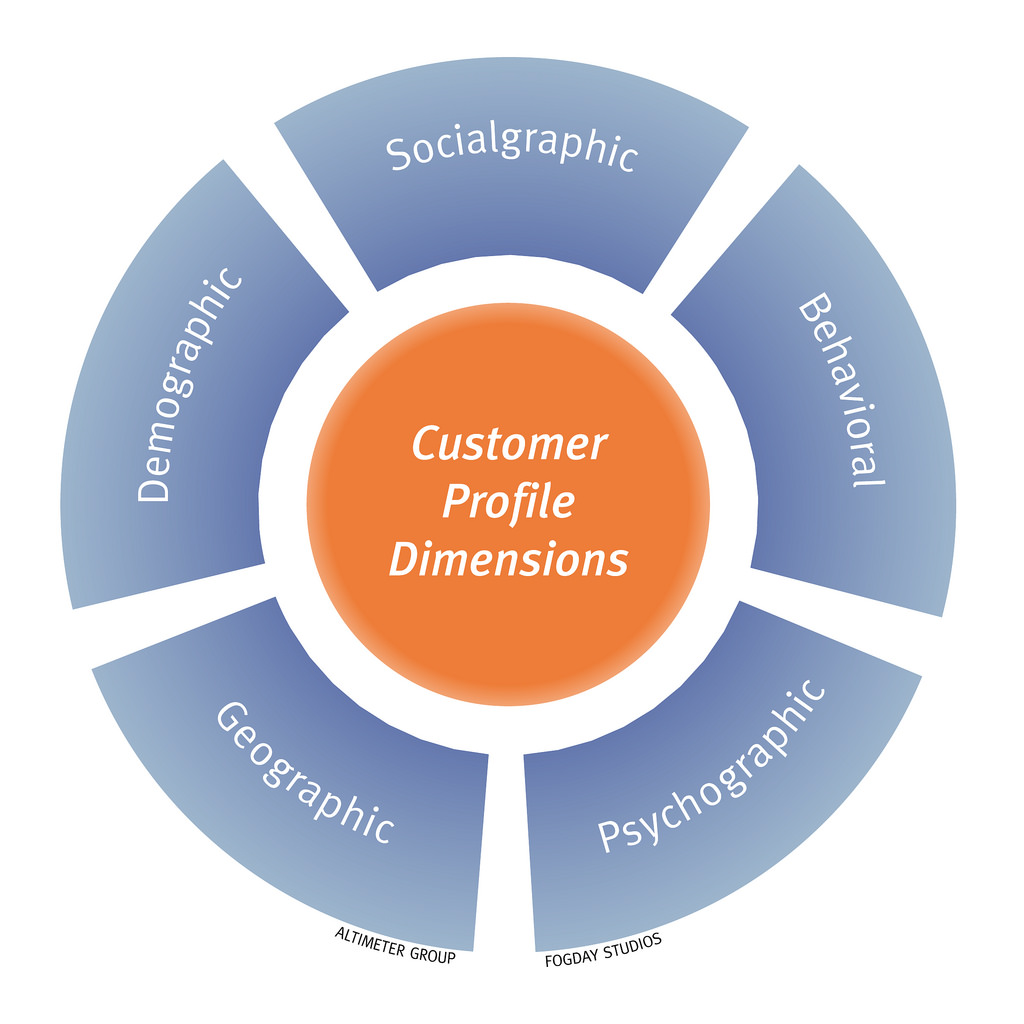

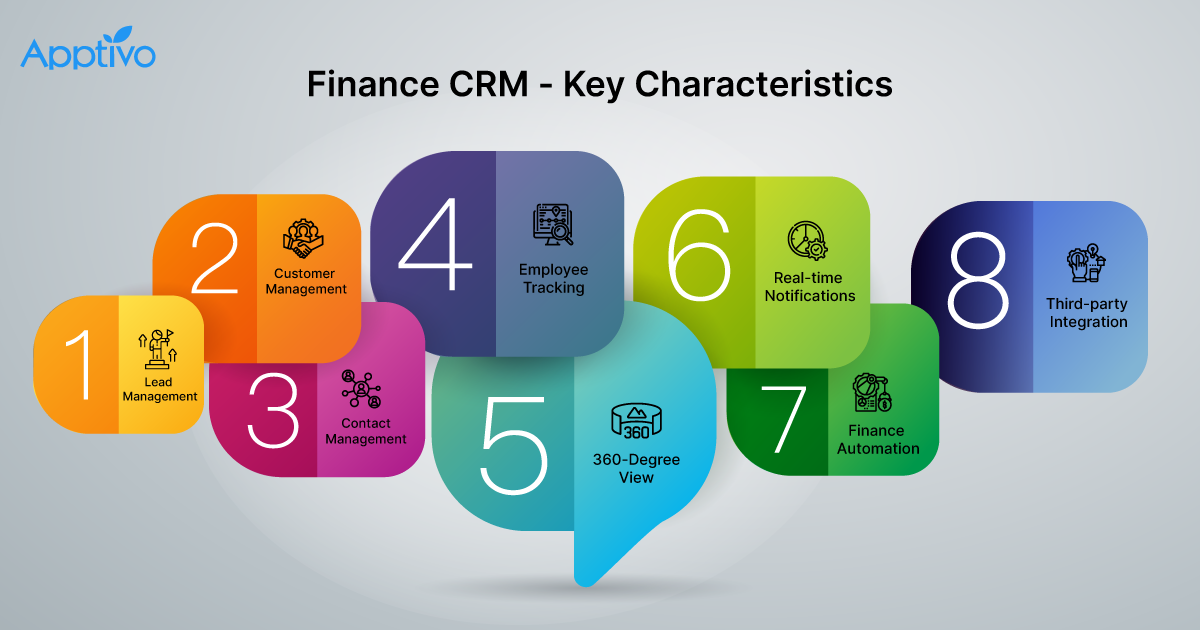

Key Benefits of Using CRM Software in Real Estate
- Centralized Database: CRM software allows real estate agents to store all client information in one centralized location, making it easy to access and update as needed.
- Improved Communication: Agents can communicate with clients more efficiently through automated emails, reminders, and notifications, ensuring no important details are missed.
- Enhanced Lead Management: CRM systems help agents track and prioritize leads, ensuring they follow up with potential clients in a timely manner.
- Increased Productivity: By automating repetitive tasks and workflows, CRM software frees up time for agents to focus on building relationships and closing deals.
Popular CRM Software Used in Real Estate
- Top Producer
- BoomTown
- Zoho CRM
- Contactually
Role of Data Analytics in CRM for Real Estate Agents
Data analytics in CRM systems allow real estate agents to gain insights into client behavior, preferences, and market trends. By analyzing this data, agents can make informed decisions to better serve their clients and optimize their business strategies.
Automation Features in CRM Software for Real Estate Professionals
- Automated Follow-Ups: CRM software can automatically send follow-up emails or reminders to clients, ensuring no leads slip through the cracks.
- Task Automation: Agents can set up automated tasks and workflows to streamline processes such as scheduling appointments, sending contracts, and updating client information.
- Lead Nurturing: CRM systems can automate lead nurturing processes, sending personalized messages and content to engage potential clients and move them through the sales funnel.
Steps to Effectively Implement a CRM System in a Real Estate Agency
- Define Objectives: Determine the specific goals and objectives you want to achieve with the CRM system.
- Select the Right Software: Choose a CRM software that aligns with your agency’s needs and budget.
- Train Your Team: Provide comprehensive training to ensure all team members are proficient in using the CRM software effectively.
- Customize and Configure: Tailor the CRM system to meet the unique requirements of your real estate agency, including custom fields, workflows, and reports.
- Regularly Review and Optimize: Continuously monitor and evaluate the performance of the CRM system, making adjustments as needed to improve efficiency and results.
Features to Look for in a Real Estate CRM
When choosing a CRM for real estate agents, it’s crucial to consider specific features that can enhance productivity and efficiency in managing client relationships, generating leads, and automating tasks.
Contact Management
- Efficient organization of client contact information.
- Ability to track interactions and communication history.
- Integration with email and calendar for seamless communication.
Lead Generation
- Capture and manage leads from various sources.
- Lead scoring to prioritize high-quality leads.
- Automated follow-up processes to nurture leads effectively.
Task Automation
- Automate repetitive tasks such as email responses and appointment scheduling.
- Workflow automation for seamless transaction management.
- Reminder alerts for important tasks and deadlines.
The Significance of Customization Options
Customization plays a vital role in tailoring the CRM to meet the specific needs of real estate agents. It allows agents to adapt the system to their unique workflows, branding, and client preferences. Customization options enable agents to create personalized templates, reports, and dashboards, enhancing overall efficiency and client satisfaction.
Comparison of CRM Platforms for Real Estate Professionals
When comparing CRM platforms for real estate professionals, it’s essential to look for features that cater specifically to the needs of the industry. Some platforms offer integrations with real estate listing services, automated property valuation tools, and advanced analytics for market insights. Agents should consider the scalability, ease of use, and customer support offered by different CRM providers to find the best fit for their business.
Integration Capabilities with Real Estate Tools
In today’s digital age, real estate agents rely heavily on various tools and software to manage their business efficiently. It is crucial for a CRM system to have seamless integration capabilities with other real estate tools to streamline workflows and enhance productivity.
Examples of Tools to Integrate with CRM
- Listing Websites: Integration with popular listing websites like Zillow, Realtor.com, and MLS can help agents easily manage property listings and update information in real-time.
- Email Marketing Platforms: Integration with email marketing tools such as Mailchimp or Constant Contact can enable agents to send targeted campaigns to leads and clients directly from the CRM.
- Transaction Management Systems: Seamless integration with transaction management systems like Dotloop or SkySlope can simplify the paperwork process and ensure all documents are stored securely in one place.
The Importance of Seamless Integration
Having a CRM system that can seamlessly integrate with other real estate tools is essential for agents to work efficiently and effectively. Integrated systems eliminate the need for manual data entry and reduce the risk of errors, ultimately saving agents time and improving accuracy.
Streamlining Workflows with Integrated Systems
Integrated systems can streamline workflows for real estate agents by allowing data to flow seamlessly between different software platforms. For example, when a new lead is captured in the CRM, it can automatically sync with the agent’s email marketing platform to send out a welcome email. This automation not only saves time but also ensures that no leads fall through the cracks.
Mobile Accessibility and User-Friendly Interface
Mobile accessibility and user-friendly interfaces are crucial aspects of CRM software for real estate agents. Let’s delve into how these features impact agents’ productivity and efficiency.
Impact of Mobile Accessibility
Mobile accessibility allows real estate agents to access important information and tools on-the-go, enabling them to respond to clients quickly, schedule appointments, and manage leads efficiently. With the ability to work from anywhere, agents can stay connected and productive even when away from their desks.
Importance of User-Friendly Interface
A user-friendly interface is essential for CRM software as it ensures that agents can navigate the system easily, without the need for extensive training. Intuitive design and simple navigation lead to faster adoption rates and increased productivity among real estate professionals.
Enhancing Productivity with Mobile-Responsive CRM
A mobile-responsive CRM enables agents to manage tasks, contacts, and deals seamlessly from their smartphones or tablets. Features like push notifications, real-time updates, and offline access enhance productivity by keeping agents informed and connected at all times.
Key Features of User-Friendly CRM Software
– Intuitive dashboard layout
– Customizable fields and workflows
– Easy data entry and search functionalities
– Seamless integration with other tools
– Responsive customer support
Successful Mobile CRM Tools for Real Estate Agents
Some successful mobile CRM tools tailored for real estate agents include:
– Contactually
– Follow Up Boss
– LionDesk
– Top Producer CRM
Efficiency of Mobile CRM App vs. Desktop Version
Using a mobile CRM app offers the advantage of flexibility and accessibility, allowing agents to manage tasks on-the-go. However, for complex tasks that require detailed data entry or analysis, the desktop version may offer a more comprehensive experience.
Customizing CRM Interface for Individual Preferences
Real estate agents can customize their CRM interface by:
– Setting up personalized dashboards
– Creating custom fields for property details
– Tailoring communication templates
– Integrating preferred third-party tools
– Adjusting notification settings
Customization Options for Real Estate Workflows
Customization is key when it comes to optimizing a CRM system for real estate agents. Tailoring the software to fit the unique workflows of real estate professionals can significantly enhance efficiency and organization in transactions.
Benefits of Customizable Fields and Templates
- Customizable fields allow agents to track specific information relevant to their business, such as property details, client preferences, or transaction milestones.
- Personalized templates for property listings can save time by providing a consistent format for showcasing listings across various platforms.
- Custom workflows enable agents to streamline processes, ensuring that tasks are completed in a systematic and timely manner.
Creating Custom Fields in a Real Estate CRM
To create custom fields in a real estate CRM system, follow these steps:
- Access the CRM settings or customization options.
- Select the option to add a new field.
- Define the field type (text, date, dropdown, etc.) and provide a label for the field.
- Specify any additional settings or requirements for the field, such as mandatory entry or field validation.
- Save the new custom field to apply it to your CRM interface.
Designing Personalized Templates for Property Listings
Creating personalized templates for property listings in a CRM platform involves:
- Identifying the key information to include in the template, such as property details, images, and contact information.
- Customizing the layout and design of the template to align with your branding and style preferences.
- Saving the template as a reusable format for future property listings.
Using Pre-built CRM Templates vs. Custom Ones
While pre-built CRM templates offer convenience, custom templates allow for greater flexibility and alignment with specific business needs. Custom templates can provide a more tailored approach to showcasing properties and engaging with clients.
Optimizing CRM Settings for Real Estate Professionals
To optimize CRM settings for real estate professionals:
- Review and adjust default settings to match your workflow requirements.
- Utilize automation features to streamline repetitive tasks and notifications.
- Regularly update and refine your CRM settings based on feedback and evolving business needs.
Data Security and Privacy Measures
In the real estate industry, safeguarding sensitive data is crucial for maintaining trust with clients and protecting valuable information. Real estate agents rely heavily on CRM systems to manage client details, property listings, and transaction records, making data security a top priority in their daily operations.
Importance of Data Security in CRM Systems
- Implementing robust data security measures in CRM systems helps real estate agents safeguard client information, financial data, and confidential documents from unauthorized access or cyber threats.
- Enhanced data security instills confidence in clients, who trust that their personal information is safe and protected when shared with a real estate agent or agency.
- Compliance with data protection regulations, such as GDPR or CCPA, is essential for real estate agents to avoid legal repercussions and maintain ethical standards in handling client data.
Key Privacy Measures in a CRM
- End-to-end encryption of data stored in the CRM system to prevent unauthorized access and protect sensitive information from potential breaches.
- Role-based access controls that restrict user permissions based on their job responsibilities, ensuring that only authorized personnel can view or modify specific data.
- Automatic data backup and recovery mechanisms to prevent data loss in case of system failures, cyber attacks, or accidental deletions.
Implications of Data Breaches in Real Estate
- Data breaches in the real estate industry can lead to financial losses, reputational damage, and legal consequences for real estate agents and their clients.
- CRM software plays a crucial role in mitigating risks associated with data breaches by implementing security protocols, encryption technologies, and access controls.
Role of Encryption in Data Security
- Encryption converts data into a secure format that can only be accessed with an encryption key, ensuring that sensitive information remains protected from unauthorized parties.
- Utilizing encryption protocols, such as SSL/TLS, for data transmission and storage adds an extra layer of security to CRM systems, safeguarding client data during communication and storage processes.
Multi-Factor Authentication Methods for Data Privacy
- Implementing multi-factor authentication, such as biometric verification, SMS codes, or security tokens, enhances data privacy by requiring multiple credentials for user verification, reducing the risk of unauthorized access.
- Real estate agents should enable multi-factor authentication features in their CRM systems to strengthen data security and protect sensitive information from cyber threats.
Regular Security Updates and Patches
- Regularly updating CRM software with security patches and bug fixes helps prevent vulnerabilities and address potential security loopholes that could be exploited by cyber attackers.
- Real estate agents should stay informed about the latest security updates released by CRM providers and promptly install patches to ensure the ongoing protection of their data.
Security Audits for Data Security Measures
- Conducting regular security audits allows real estate agents to evaluate the effectiveness of data security measures implemented in their CRM systems, identifying areas for improvement and addressing potential risks proactively.
- External security audits by third-party experts can provide valuable insights into the overall security posture of CRM systems and help real estate agents enhance data protection practices.
Password Management Best Practices
- Real estate agents should create strong, unique passwords for their CRM accounts, combining letters, numbers, and special characters to increase security and prevent unauthorized access.
- Utilizing password management tools to securely store and manage passwords for multiple accounts can help real estate agents maintain strong password hygiene and reduce the risk of data breaches.
Reporting and Analytics Tools
Reporting and analytics tools play a crucial role in a CRM for real estate agents, providing valuable insights and data-driven decisions to enhance business performance.
Key Metrics for Real Estate Agents
- Number of leads generated
- Conversion rates
- Days on market
- Listing performance
- Agent productivity
Customized Reporting in CRM
Customized reports can be set up in CRM software by selecting specific data fields, filters, and parameters to tailor reports according to the agent’s unique needs and preferences.
Analyzing Data Trends
- Access the reporting section in CRM software
- Choose the desired metrics to analyze
- Generate reports based on selected criteria
- Identify trends, patterns, and areas for improvement
Automated vs. Manual Reporting
Automated reporting offers real estate agents the advantage of saving time and ensuring accuracy, while manual reporting allows for more customization and flexibility in data analysis.
Role of Data Visualization
Data visualization in reporting and analytics tools helps real estate agents to easily interpret complex data through charts, graphs, and visual representations, facilitating quick decision-making and performance tracking.
Customer Support and Training Resources
Customer support and training resources play a crucial role in the successful implementation and utilization of CRM software for real estate agents. Let’s delve into the importance of robust customer support and the benefits of training resources in mastering CRM tools.
Importance of Customer Support
Customer support is essential for real estate agents using CRM software as it provides assistance in resolving issues, answering queries, and ensuring smooth operation of the system. A responsive and knowledgeable support team can help agents maximize the benefits of their CRM platform.
- Quick resolution of technical issues
- Guidance on system setup and configuration
- Assistance in troubleshooting software glitches
Training Resources and Tutorials
Access to training resources and tutorials is invaluable for real estate agents looking to make the most of their CRM tools. Comprehensive training materials can help users understand the full capabilities of the software and utilize them effectively in their day-to-day operations.
- Video tutorials for visual learners
- User guides and manuals for reference
- Online webinars for interactive learning
Comparison of CRM Platforms
When evaluating CRM platforms, it is important to consider the quality of customer support and training resources offered by each provider. A platform that offers extensive support and training options can significantly enhance the user experience and ensure successful adoption of the software.
- 24/7 customer support availability
- Dedicated account managers for personalized assistance
- Ongoing training updates and resources
Pricing Models and Scalability
When it comes to CRM software for real estate agents, understanding the pricing models and scalability options is crucial for making an informed decision.
Different Pricing Models
CRM providers offer various pricing models, such as:
- Monthly Subscription: Pay a fixed amount every month.
- Per User Pricing: Cost is based on the number of users accessing the CRM.
- Customized Plans: Tailored pricing based on specific needs and features.
Importance of Scalability
Scalability is essential as your real estate business grows. A CRM software should be able to:
- Handle an increasing number of contacts, leads, and deals.
- Adapt to new workflows and processes as your business expands.
- Offer additional features and integrations to meet evolving requirements.
Comparing Pricing Plans
Let’s compare the pricing plans of various CRM platforms to analyze their value for real estate professionals:
| CRM Platform | Pricing Model | Scalability Options | Value for Real Estate Agents |
|---|---|---|---|
| Platform A | Monthly Subscription | Offers scalable plans for growing businesses | Comprehensive features at a reasonable price |
| Platform B | Per User Pricing | Scalability may lead to increased costs | Good for small teams but may be costly for larger organizations |
| Platform C | Customized Plans | Flexible pricing based on specific needs | Ideal for businesses with unique requirements |
Case Studies and Success Stories
Real estate agents have witnessed notable improvements in their sales and client relationships by leveraging CRM platforms. These success stories highlight the transformative impact of CRM tools on the real estate industry.
Benefits of CRM Implementation
- Agent A saw a 30% increase in sales after implementing CRM software, allowing for better tracking of client interactions and follow-ups.
- Agent B improved client satisfaction by 40% by utilizing CRM tools to personalize communication and provide timely updates on property listings.
- Agent C streamlined their workflow and saved 20 hours per week by automating repetitive tasks through a CRM platform.
Testimonial from Agent A: “CRM software has revolutionized the way I manage my leads and stay organized. It’s a game-changer for real estate agents looking to boost productivity.”
Comparison of Leading CRM Platforms
| CRM Platform | Features | Benefits |
|---|---|---|
| Platform X | Advanced lead management, customizable workflows | Increased efficiency and personalized client interactions |
| Platform Y | Integrations with popular real estate tools, mobile accessibility | Improved collaboration and seamless access to data on the go |
| Platform Z | Robust reporting and analytics tools, scalable pricing models | Enhanced insights for strategic decision-making and flexible growth options |
Impact of CRM Software
- Statistics show that real estate agents using CRM platforms experience a 25% increase in productivity and a 30% rise in revenue within the first year of implementation.
- Metrics reveal that CRM tools have helped agents reduce response times to client inquiries by 50% and improve lead conversion rates by 35%.
Case Study: Real Estate Agents’ CRM Usage
In a recent study, real estate agents shared their experiences with CRM software, highlighting challenges faced and outcomes achieved. Interviews showcased how CRM tools have revolutionized their business practices, leading to enhanced client relationships and operational efficiency.
Industry Trends and Future of Real Estate CRMs
In today’s fast-paced real estate industry, staying ahead of the curve is crucial for success. One of the key factors driving this evolution is the integration of cutting-edge technologies like AI and automation into CRM systems tailored for real estate agents.
Utilization of AI in Real Estate CRM Systems
AI is revolutionizing the way real estate agents manage their relationships with clients and leads. By leveraging AI algorithms, CRM systems can analyze vast amounts of data to provide valuable insights and predictions. This enables agents to personalize their interactions, enhance customer engagement, and streamline their workflow for more efficient operations.
- AI-powered chatbots for instant customer support and lead qualification.
- Predictive analytics for forecasting market trends and identifying potential opportunities.
- Automated property recommendations based on client preferences and behavior.
Impact of Automation on Lead Generation and CRM
Automation plays a crucial role in simplifying repetitive tasks, such as lead nurturing and follow-ups, allowing agents to focus on high-value activities. By automating lead generation processes, real estate CRMs can help agents identify, prioritize, and convert leads more effectively, ultimately leading to increased sales and revenue.
- Automated email campaigns for targeted communication with leads.
- Schedule reminders and notifications for important follow-ups and appointments.
- Lead scoring to prioritize leads based on engagement and readiness to buy.
Advancements in Data Analytics for Informed Decision-Making
The future of real estate CRMs lies in advanced data analytics capabilities that empower agents to make data-driven decisions. By harnessing the power of data analytics, agents can gain deeper insights into market trends, customer behavior, and performance metrics, enabling them to refine their strategies and optimize their operations for greater success.
- Visual dashboards for real-time performance monitoring and analysis.
- Advanced reporting tools for generating customized reports and KPI tracking.
- Predictive modeling for forecasting sales projections and identifying growth opportunities.
Comparative Analysis: Traditional CRM vs. AI-Driven CRMs
The shift towards AI-driven CRMs marks a significant departure from traditional CRM systems, offering agents a more intelligent and proactive approach to customer relationship management. While traditional CRMs focus on manual data entry and basic contact management, AI-driven CRMs leverage machine learning and predictive analytics to deliver personalized customer experiences, automate routine tasks, and drive better outcomes for agents.
- Improved lead conversion rates and higher customer satisfaction with AI-driven insights.
- Enhanced efficiency and productivity through automation of repetitive tasks.
- Greater scalability and adaptability to changing market dynamics with AI-powered recommendations.
Roadmap for Integrating AI and Automation into Real Estate CRMs
To stay competitive in the evolving real estate landscape, agents must embrace the integration of AI and automation features into their existing CRM platforms. By developing a roadmap for incorporating these advanced technologies, agents can unlock new opportunities for efficiency, productivity, and growth in their real estate business.
- Identify key areas for AI and automation implementation, such as lead management and customer insights.
- Collaborate with CRM providers to customize AI algorithms and automation workflows for specific real estate needs.
- Train agents on utilizing AI-driven tools and automation features effectively for maximum impact.
Best Practices for Implementing CRM in Real Estate
Implementing CRM software in real estate can greatly enhance efficiency and productivity. Here are some best practices to ensure a successful implementation process:
Training Staff
It is crucial to provide comprehensive training to all staff members who will be using the CRM system. This includes not only initial training but also ongoing support and education to maximize the benefits of the software.
Migrating Data
When transitioning to a new CRM system, it is important to ensure that all existing data is accurately transferred. This includes client information, transaction history, and any other relevant data. Proper data migration is key to maintaining continuity in operations.
Ensuring Smooth Transition
To ensure a smooth transition to a new CRM system, it is essential to have a well-thought-out implementation plan. This plan should address potential challenges, establish clear goals, and involve all stakeholders in the process. Communication and support throughout the transition are also crucial.
Overcoming Common Challenges
During CRM implementation, common challenges such as resistance to change, data quality issues, and integration problems may arise. To overcome these challenges, it is important to have a dedicated team to address issues promptly, involve end-users in decision-making processes, and continuously monitor and evaluate the system’s performance.
User Reviews and Recommendations
When it comes to choosing the right CRM for real estate agents, user reviews and recommendations play a crucial role in helping professionals make informed decisions. By analyzing feedback from those actively using different CRM platforms, agents can gain valuable insights into the strengths and weaknesses of each system.
Key Takeaways from User Reviews
- Many real estate agents praise CRM systems that offer seamless integration with popular real estate tools like MLS databases and marketing platforms.
- Agents appreciate CRMs with mobile accessibility and user-friendly interfaces, allowing them to manage leads and tasks on the go.
- Customization options for workflows are highly valued by agents, as they can tailor the CRM to meet their specific needs and preferences.
- Data security and privacy measures are non-negotiable for agents, who prioritize protecting sensitive client information.
- Reporting and analytics tools are essential for agents to track performance, monitor leads, and make data-driven decisions.
Wrap-Up
In conclusion, the Best CRM for Real Estate Agents guide serves as a comprehensive resource for real estate professionals looking to optimize their workflow and enhance client relationships. By implementing the right CRM software, agents can streamline processes, track performance metrics, and ultimately drive success in the competitive real estate market.