AI-Powered CRM Software takes customer relationship management to new heights with cutting-edge technology and innovative solutions. Dive into the world of AI-driven CRM and discover the endless possibilities it offers.
Explore the benefits, features, and implementation of AI in CRM systems, and uncover how automation, sales, marketing, and customer service are transformed through AI integration.




Introduction to AI-Powered CRM Software
AI-Powered CRM software refers to customer relationship management systems that utilize artificial intelligence technologies to enhance the way businesses interact with their customers. By leveraging AI algorithms, these software solutions can automate tasks, analyze data, and provide valuable insights to improve customer satisfaction and drive sales.
Benefits of using AI in CRM solutions
- Improved data accuracy: AI can process and analyze large amounts of customer data quickly and accurately, leading to more informed decision-making.
- Personalized customer experiences: AI-powered CRM software can segment customers based on behavior and preferences, allowing businesses to tailor their interactions for better engagement.
- Enhanced customer service: AI chatbots can provide instant responses to customer inquiries, improving response times and overall satisfaction.
- Predictive analytics: AI algorithms can forecast customer behavior and trends, helping businesses anticipate their needs and proactively address issues.
How AI enhances customer relationship management
AI enhances customer relationship management by automating repetitive tasks, enabling businesses to focus on building meaningful connections with their customers. By analyzing customer data in real-time, AI can provide insights that help businesses understand customer preferences, identify opportunities for upselling or cross-selling, and predict customer needs. Overall, AI-powered CRM software streamlines processes, improves efficiency, and ultimately leads to stronger customer relationships.
Features of AI-Powered CRM Software
AI-Powered CRM software offers a range of advanced features that revolutionize customer relationship management processes by leveraging artificial intelligence capabilities.
1. Predictive Analytics
AI-Powered CRM software utilizes predictive analytics to forecast customer behavior, preferences, and trends. By analyzing historical data and patterns, the software can provide valuable insights to help businesses anticipate customer needs and tailor their marketing strategies accordingly.
2. Automated Lead Scoring
With AI-Powered CRM software, lead scoring processes are automated based on predefined criteria and behavioral patterns. This allows sales teams to prioritize leads effectively, focusing on prospects with the highest likelihood of conversion.
3. Natural Language Processing
AI-Powered CRM software incorporates natural language processing (NLP) capabilities to analyze and interpret customer interactions. By understanding and processing text-based data, the software can extract valuable insights from customer conversations, emails, and social media interactions.
4. Personalized Customer Interactions
AI-Powered CRM software enables personalized customer interactions by leveraging machine learning algorithms to segment customers based on their behavior and preferences. This allows businesses to deliver tailored messages and offers to individual customers, enhancing engagement and loyalty.
5. Sentiment Analysis
AI-Powered CRM software includes sentiment analysis features to gauge customer sentiment and emotions from communication channels. By analyzing tone, language, and context, the software can identify customer satisfaction levels and proactively address issues or concerns.
6. Enhanced Data Management
AI-Powered CRM software offers enhanced data management capabilities, including data cleansing, deduplication, and enrichment. By maintaining clean and up-to-date customer data, businesses can improve decision-making processes and ensure accurate reporting.
7. Intelligent Automation
AI-Powered CRM software automates routine tasks and workflows, reducing manual efforts and increasing efficiency. By streamlining processes such as data entry, lead nurturing, and follow-ups, businesses can focus on building meaningful customer relationships and driving growth.
Implementation of AI in CRM
Integrating Artificial Intelligence (AI) into Customer Relationship Management (CRM) software involves a systematic process to enhance customer interactions and improve business operations.
Process of Integrating AI into CRM Software
When implementing AI in CRM systems, the process typically involves:
- Identifying business goals and objectives
- Collecting and organizing relevant data for AI analysis
- Selecting the right AI technologies and algorithms
- Integrating AI capabilities into the CRM platform
- Training the AI models based on historical data
- Testing and optimizing AI performance
Challenges and Considerations
Some challenges and considerations to keep in mind during AI implementation in CRM include:
- Ensuring data quality and accuracy for effective AI analysis
- Addressing privacy and security concerns related to customer data
- Managing change within the organization to adopt AI technology
- Monitoring and evaluating AI performance to make necessary adjustments
Best Practices for Successful AI Implementation in CRM
To ensure a successful implementation of AI in CRM, consider the following best practices:
- Start with a pilot project to test AI capabilities in a controlled environment
- Provide training to employees on how to utilize AI tools effectively
- Regularly update AI models and algorithms to improve accuracy and efficiency
- Seek feedback from customers and employees to enhance AI-driven processes
AI-Powered Customer Insights
AI-powered customer insights play a crucial role in helping businesses understand their customers better and tailor their strategies accordingly. By leveraging AI technology, companies can analyze various customer touchpoints to derive valuable insights that can drive decision-making and improve customer relationships.
Customer Segmentation
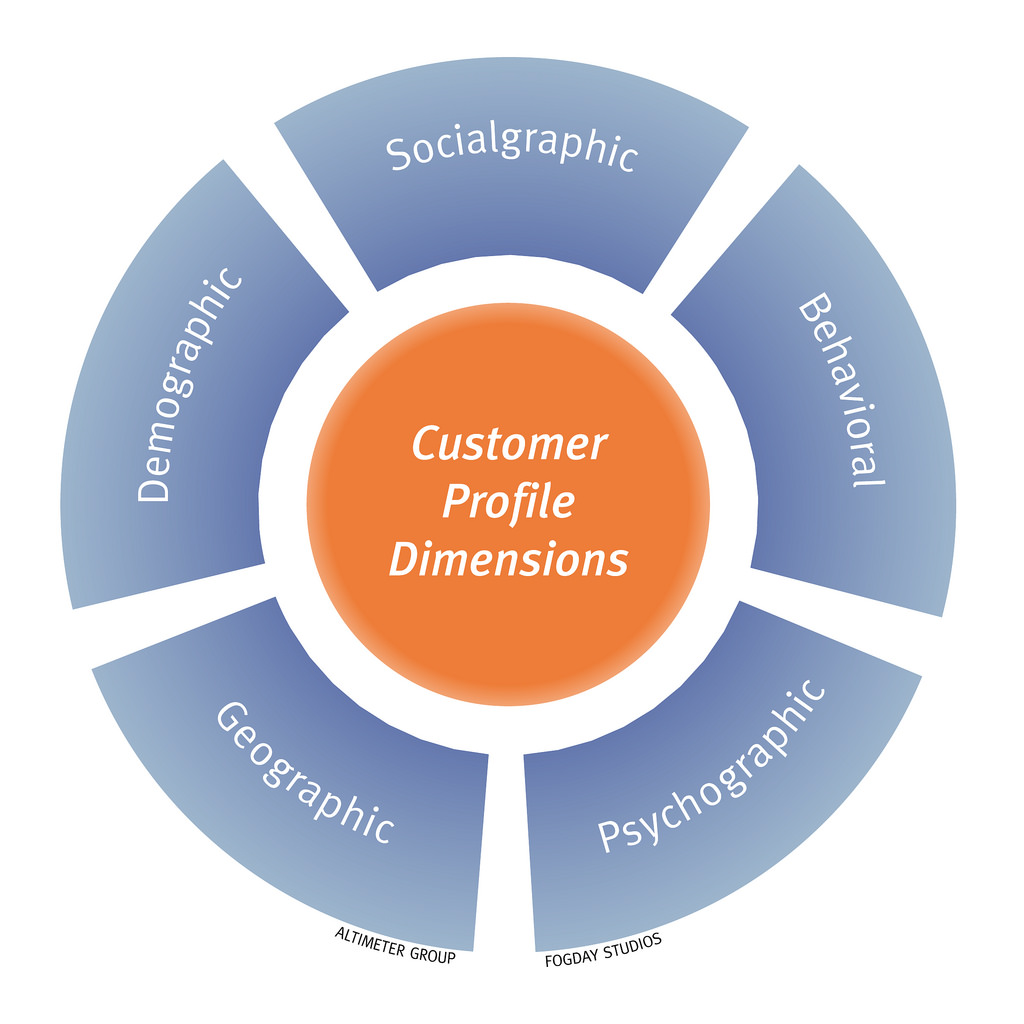
- AI utilizes advanced algorithms to segment customers based on their behavior, demographics, and purchasing patterns.
- By analyzing data from different sources, AI can categorize customers into groups with similar characteristics, allowing businesses to target them more effectively.
- Segmentation helps in personalizing marketing messages, creating tailored offers, and improving overall customer satisfaction.
Predicting Customer Churn and Retention Strategies
- AI can predict customer churn by analyzing historical data to identify patterns and warning signs indicating potential customer dissatisfaction.
- Based on this analysis, AI can recommend retention strategies such as personalized incentives, targeted communication, or enhanced customer support to prevent customers from leaving.
- By proactively addressing churn risks, businesses can improve customer loyalty and reduce revenue loss.
Identifying Cross-Selling and Upselling Opportunities
- AI analyzes customer preferences and past purchase history to identify cross-selling and upselling opportunities.
- By understanding customer behavior and preferences, AI can recommend relevant products or services to customers, increasing the chances of additional sales.
- Through personalized recommendations, businesses can enhance customer experience and drive revenue growth.
Personalized Marketing Campaigns
- AI helps in creating personalized marketing campaigns by tailoring content and offers to individual customer preferences and browsing history.
- By analyzing customer data in real-time, AI can deliver targeted messages through the right channels at the right time, increasing engagement and conversion rates.
- Personalization enhances the overall customer experience, fosters loyalty, and strengthens brand-customer relationships.
Automation in CRM with AI
AI plays a crucial role in automating repetitive tasks within CRM processes, leading to increased productivity and efficiency in managing customer relationships.
Examples of Automation Capabilities in AI-Powered CRM Software
- Automated lead scoring: AI algorithms can analyze customer data and interactions to automatically assign a score to leads based on their likelihood to convert, allowing sales teams to prioritize high-potential leads.
- Automated email responses: AI-powered chatbots can engage with customers in real-time, answering frequently asked questions and providing personalized responses without human intervention.
- Automated task assignments: AI can intelligently distribute tasks among team members based on their skill sets, availability, and workload, ensuring efficient task management.
Impact of AI-Driven Automation on Productivity and Efficiency
AI-driven automation streamlines CRM processes by reducing manual tasks, minimizing errors, and accelerating response times. This not only frees up employees to focus on high-value activities but also enhances customer satisfaction through timely and personalized interactions.
AI for Sales and Marketing in CRM
Artificial Intelligence (AI) plays a crucial role in enhancing sales and marketing efforts within Customer Relationship Management (CRM) systems. By leveraging AI capabilities, businesses can personalize interactions with customers, streamline marketing campaigns, and improve overall sales effectiveness.
Personalized Product Recommendations
AI enables CRM systems to provide personalized product recommendations to customers based on their behavior and preferences. By analyzing past purchases, browsing history, and demographic information, AI algorithms can suggest relevant products or services to each individual, increasing the likelihood of a successful sale.
- AI tools can analyze customer data to identify patterns and trends, enabling businesses to offer targeted promotions and discounts to specific customer segments.
- By utilizing machine learning algorithms, CRM systems can predict customer needs and preferences, allowing sales and marketing teams to tailor their strategies accordingly.
Lead Scoring and Segmentation
AI tools within CRM systems can automate lead scoring processes, assigning scores to potential customers based on their behavior and interactions with the company. This helps sales teams prioritize high-value leads and allocate resources effectively to maximize conversion rates.
Machine learning algorithms can segment customers based on various criteria, such as purchase history, engagement levels, and demographics, allowing businesses to target specific groups with tailored marketing messages.
Sales Forecasting and Campaign Optimization
AI enhances sales forecasting by analyzing historical data, market trends, and customer behavior to predict future sales performance accurately. This enables businesses to make informed decisions and adjust their strategies proactively to meet sales targets.
- Through data analysis and pattern recognition, AI can optimize marketing campaigns by identifying the most effective channels, messaging, and timing for reaching target audiences.
- AI algorithms can continuously monitor campaign performance and make real-time adjustments to maximize ROI and engagement.
Automated Customer Engagement
AI-powered CRM systems can automate follow-up emails, reminders, and notifications for sales representatives, ensuring timely and personalized communication with customers. This helps improve customer engagement and satisfaction while reducing manual workload for sales teams.
AI Applications in CRM
AI applications in CRM extend beyond sales and marketing, encompassing customer support, social media monitoring, and more. Chatbots powered by AI technology can provide instant assistance to customers, while sentiment analysis tools can monitor social media platforms for brand mentions and customer feedback.
- By leveraging AI for customer insights, businesses can enhance their understanding of customer preferences, behavior, and sentiment, enabling them to deliver more personalized and targeted experiences.
- Overall, AI empowers sales and marketing teams within CRM systems to operate more efficiently, make data-driven decisions, and drive better business results.
- AI chatbots can handle a wide range of customer inquiries, from basic FAQs to complex troubleshooting.
- Virtual assistants can personalize interactions by accessing customer data and purchase history to offer tailored recommendations and solutions.
- These AI solutions can assist customers with account management, product information, order tracking, and more, improving overall service efficiency.
- Identify customer support areas that can benefit from AI chatbot automation.
- Choose a reliable AI chatbot platform that aligns with business requirements and customer service goals.
- Train the AI chatbot with relevant data, FAQs, and scenarios to enhance its conversational capabilities.
- Integrate the AI chatbot with existing CRM systems and customer support channels for seamless communication.
- Monitor and analyze chatbot interactions to identify areas for improvement and optimize performance over time.
- Respond to customer inquiries instantly, reducing wait times and increasing customer satisfaction.
- Handle a high volume of inquiries simultaneously, ensuring consistent support across multiple channels.
- Deliver personalized recommendations and solutions based on customer preferences and behavior, enhancing the overall customer experience.
- Protecting customer data from cyber threats and unauthorized access is crucial in maintaining trust.
- Compliance with data protection regulations like GDPR is mandatory to avoid legal repercussions.
- Data breaches can lead to financial losses, reputation damage, and loss of customer confidence.
- AI technologies can detect and prevent security threats in real-time, enhancing data protection.
- Automated data encryption and access control mechanisms help in maintaining data privacy.
- AI algorithms can identify patterns of potential security breaches and take proactive measures.
- Regular security audits and risk assessments to identify vulnerabilities.
- Implementing multi-factor authentication and role-based access controls.
- Training employees on data security best practices and protocols.
- A major AI-Powered CRM platform experienced a data breach exposing sensitive customer data.
- Inadequate encryption led to a security incident compromising user information.
- Loss of customer trust and loyalty due to compromised data.
- Legal penalties and fines for failing to protect customer information.
- Damaged reputation and negative impact on business operations.
- Platform A offers end-to-end encryption for data transmission and storage.
- Platform B provides real-time threat detection and response capabilities.
- Platform C has robust access control mechanisms and regular security updates.
- Conduct a thorough risk assessment to identify potential vulnerabilities.
- Implement encryption protocols to safeguard data both at rest and in transit.
- Train employees on data security best practices and conduct regular security audits.
- Establish clear data access policies and monitor user activities for any suspicious behavior.
- Encryption plays a vital role in securing sensitive customer data from unauthorized access.
- By converting data into an unreadable format, encryption prevents data breaches and maintains confidentiality.
- Implementing strong encryption algorithms enhances data security in AI-Powered CRM systems.
- Evaluate existing systems and identify integration points.
- Assess compatibility and data mapping requirements.
- Develop a customized integration plan based on specific business needs.
- Implement integration using APIs, connectors, or middleware solutions.
- Test and validate the integration for data accuracy and system functionality.
- Customize training sessions based on different user roles within the organization to cater to specific needs and skill levels.
- Provide hands-on practice sessions and simulations to familiarize employees with AI-powered CRM features and functionalities.
- Create user-friendly documentation and resources for ongoing learning and support to help employees navigate the AI-powered CRM system effectively.
- Offer online tutorials, guides, and FAQs to address common queries and provide continuous learning opportunities.
- Set up a feedback system to gather insights from employees using AI-powered CRM and adjust training strategies accordingly based on their input.
- Encourage employees to share their experiences, challenges, and suggestions for improvement to enhance the training process.
- Organize workshops or webinars to showcase the advantages of AI technologies in CRM and address any concerns or misconceptions that employees may have.
- Demonstrate real-life examples of successful AI integration in CRM from similar industries to inspire confidence and enthusiasm among employees.
- AI in CRM should adhere to ethical guidelines to prevent misuse of data and protect customer privacy.
- Transparency in AI algorithms is important to ensure that decisions made by AI are understandable and justifiable.
- Guidelines should be established to govern the ethical usage of AI in customer relationship management.
- One ethical dilemma is the issue of data privacy and the potential misuse of customer data by AI systems.
- Another dilemma is the reliance on AI algorithms for decision-making, which may lead to biases or discrimination.
- Algorithmic bias refers to the unfair advantage or disadvantage that certain groups may face due to biases in AI algorithms.
- It is crucial to identify and mitigate bias in AI algorithms used for customer relationship management to ensure fairness and equality.
- While AI can provide efficient and data-driven insights, human decision-making in CRM scenarios may offer a more empathetic and nuanced approach.
- Ethical implications arise when deciding between using AI or human judgment in customer interactions, as both have their strengths and limitations.
- AI-powered CRM systems will further enhance personalization efforts by analyzing vast amounts of customer data to create hyper-personalized experiences.
- Machine learning algorithms will enable real-time customization of marketing messages, product recommendations, and customer interactions based on individual preferences.
- Businesses will be able to deliver tailored solutions and offerings to customers at scale, leading to increased customer satisfaction and loyalty.
- AI will play a crucial role in augmenting analytics capabilities within CRM systems, providing deeper insights into customer behavior and trends.
- Predictive analytics models powered by AI algorithms will help businesses forecast customer needs, identify opportunities, and optimize sales and marketing strategies.
- By leveraging AI-driven analytics, organizations can make data-driven decisions faster and more accurately, driving business growth and competitive advantage.
- The integration of voice technology and conversational AI in CRM platforms will enable more natural and intuitive interactions between customers and businesses.
- Voice assistants and chatbots powered by AI will enhance customer service experiences, providing instant support and personalized recommendations through voice commands or messaging.
- Businesses will leverage voice data to gain valuable insights into customer preferences and sentiments, improving overall engagement and satisfaction levels.
Customer Service and Support with AI
AI-driven solutions play a crucial role in revolutionizing customer service and support processes, enhancing interactions, and improving overall customer satisfaction. By leveraging AI technologies such as chatbots and virtual assistants, businesses can streamline customer inquiries, resolve issues promptly, and provide personalized support.
AI Chatbots and Virtual Assistants in Customer Interactions
AI chatbots and virtual assistants are valuable tools for enhancing customer interactions. These AI-powered solutions can engage with customers in real-time, provide immediate responses to queries, and offer round-the-clock support. By utilizing natural language processing and machine learning algorithms, AI chatbots can understand customer needs, offer relevant information, and escalate complex issues to human agents when necessary.
Implementing AI Chatbots in Customer Support Systems
Implementing AI chatbots in customer support systems involves several steps to ensure seamless integration and optimal performance. Businesses can follow a step-by-step guide to deploy AI chatbots effectively:
Benefits of AI for Customer Service
The use of AI in customer service offers various benefits, including improved response time, enhanced scalability, and personalized interactions. AI-powered customer support can:
Comparison of AI Chatbots and Virtual Assistants in Customer Service
A comparison table showcasing the features of AI chatbots and virtual assistants in customer service can help businesses determine the most suitable solution for their specific needs:
| Features | AI Chatbots | Virtual Assistants |
|---|---|---|
| Real-time customer interactions | ✔️ | ✔️ |
| Personalized recommendations | ❌ | ✔️ |
| Handling complex issues | ✔️ | ✔️ |
| Access to customer data | ❌ | ✔️ |
Data Security and Privacy in AI-Powered CRM
Data security is a critical aspect when it comes to AI-Powered CRM systems as they deal with sensitive customer information. Ensuring the privacy and compliance of this data is essential to maintain trust and credibility with customers.
Importance of Data Security in AI-Powered CRM
How AI Ensures Data Privacy and Compliance
Strategies for Maintaining Data Security in AI-Powered CRM
Examples of Data Security Breaches in AI-Powered CRM
Consequences of Inadequate Data Security Measures
Comparison of Data Security Features in Different AI-Powered CRM Platforms
Implementing Data Security Protocols in AI-Powered CRM Systems
Role of Encryption in Ensuring Data Security in AI-Powered CRM
Integration of AI-Powered CRM with Other Systems
Integrating AI-Powered CRM software with existing systems is a crucial step towards maximizing efficiency and enhancing customer experiences. The process involves technical requirements and considerations to ensure a seamless integration.
Step-by-Step Process of Integration
Integrating AI-Powered CRM with other systems typically involves the following steps:
Advantages and Challenges of Integration
Integrating CRM with AI technologies offers advantages such as enhanced data insights, personalized customer interactions, and improved automation. However, challenges like data security risks and system complexity may arise.
Key strategies to overcome integration obstacles include thorough planning, regular testing, and involving IT experts throughout the process.
Comparison between Manual and Automated Integration
Manual integration processes require more time and resources, often leading to human errors and inefficiencies. On the other hand, automated integration tools streamline the process, reduce errors, and ensure faster implementation.
Customization and Scalability in AI-Powered CRM
When it comes to AI-Powered CRM systems, customization and scalability play a crucial role in meeting the unique needs of businesses. Let’s delve into how these aspects are enhanced by AI technology.
Flexibility and Customization Options in AI-Powered CRM
AI-Powered CRM solutions offer a high degree of flexibility and customization options to tailor the system according to specific business requirements. This includes the ability to customize workflows, data fields, dashboards, and reports based on individual preferences. By allowing businesses to adapt the CRM system to their unique processes and needs, AI enhances efficiency and productivity.
Enhanced Scalability with AI in CRM
One of the key benefits of AI in CRM is its ability to enhance scalability. As businesses grow and evolve, AI technology enables CRM systems to scale seamlessly to accommodate increasing data volumes, users, and customer interactions. This scalability ensures that the CRM system can grow alongside the business without compromising performance or functionality.
Importance of Tailored CRM Solutions
Tailored CRM solutions are essential for addressing the diverse needs of different businesses. By offering customization options and scalability, AI-Powered CRM systems can be adapted to suit various industries, sizes, and specific requirements. This ensures that businesses can leverage the full potential of their CRM system to drive growth, improve customer relationships, and achieve their unique goals.
Training and Adoption of AI-Powered CRM
Training employees to effectively use AI-Powered CRM software is crucial for successful implementation. Here are some strategies and tips to ensure smooth adoption and acceptance of AI technologies in CRM:
Personalized Training Sessions
User-Friendly Documentation and Resources
Feedback System and Continuous Improvement
Workshops and Webinars
AI Ethics and Transparency in CRM
Ethical considerations and transparency play a crucial role in the implementation of AI in CRM practices. It is essential to maintain ethical standards and ensure transparency in AI algorithms and decision-making processes to build trust with customers and stakeholders.
Ethical Considerations in AI CRM
Potential Ethical Dilemmas
Algorithmic Bias in CRM
AI vs. Human Decision-Making
Case Studies and Success Stories
Real-world examples of companies benefiting from AI-Powered CRM solutions showcase the transformative impact of AI on customer experiences and business outcomes.
Case Study 1: Company A
Company A, a leading e-commerce retailer, implemented AI-Powered CRM to enhance customer engagement and personalized marketing efforts. By leveraging AI algorithms to analyze customer data and behavior, Company A achieved a 30% increase in conversion rates and a 20% boost in customer retention. The implementation of AI in CRM enabled Company A to deliver targeted promotions and recommendations, resulting in improved customer satisfaction and loyalty.
Case Study 2: Company B
Company B, a telecommunications provider, integrated AI-Powered CRM to streamline customer service operations and optimize sales processes. Through the automation of repetitive tasks and predictive analytics, Company B reduced response times by 40% and increased cross-selling opportunities by 25%. The seamless integration of AI in CRM empowered Company B to deliver personalized customer interactions and proactive support, leading to enhanced customer loyalty and revenue growth.
Future Trends in AI-Powered CRM
Artificial Intelligence (AI) continues to revolutionize the way businesses interact with their customers, and the future of AI-Powered Customer Relationship Management (CRM) holds exciting possibilities. As technology advances, several trends are expected to shape the landscape of AI in CRM, impacting how companies manage and nurture customer relationships.
Personalization at Scale
Augmented Analytics
Voice and Conversational AI
Wrap-Up
In conclusion, AI-Powered CRM Software is not just a tool but a strategic asset that propels businesses towards unparalleled success in managing customer relationships. Embrace the future of CRM with AI and witness the transformative power it holds.