Best CRM for Financial Services introduces a comprehensive guide on leveraging CRM systems in the financial sector, focusing on key features, security considerations, customization options, and more. Dive into this insightful discussion to discover how CRM software can revolutionize the way financial institutions operate.
Introduction to CRM for Financial Services
Customer Relationship Management (CRM) in the context of financial services refers to the strategies and technologies used by financial institutions to manage and analyze customer interactions and data throughout the customer lifecycle. This includes customer acquisition, retention, and relationship enhancement.




CRM is of utmost importance for financial institutions as it helps them better understand their customers, anticipate their needs, and provide personalized services. By utilizing CRM systems, financial services companies can enhance customer satisfaction, increase customer loyalty, and ultimately drive profitability.
Benefits of CRM Systems for Financial Services Companies
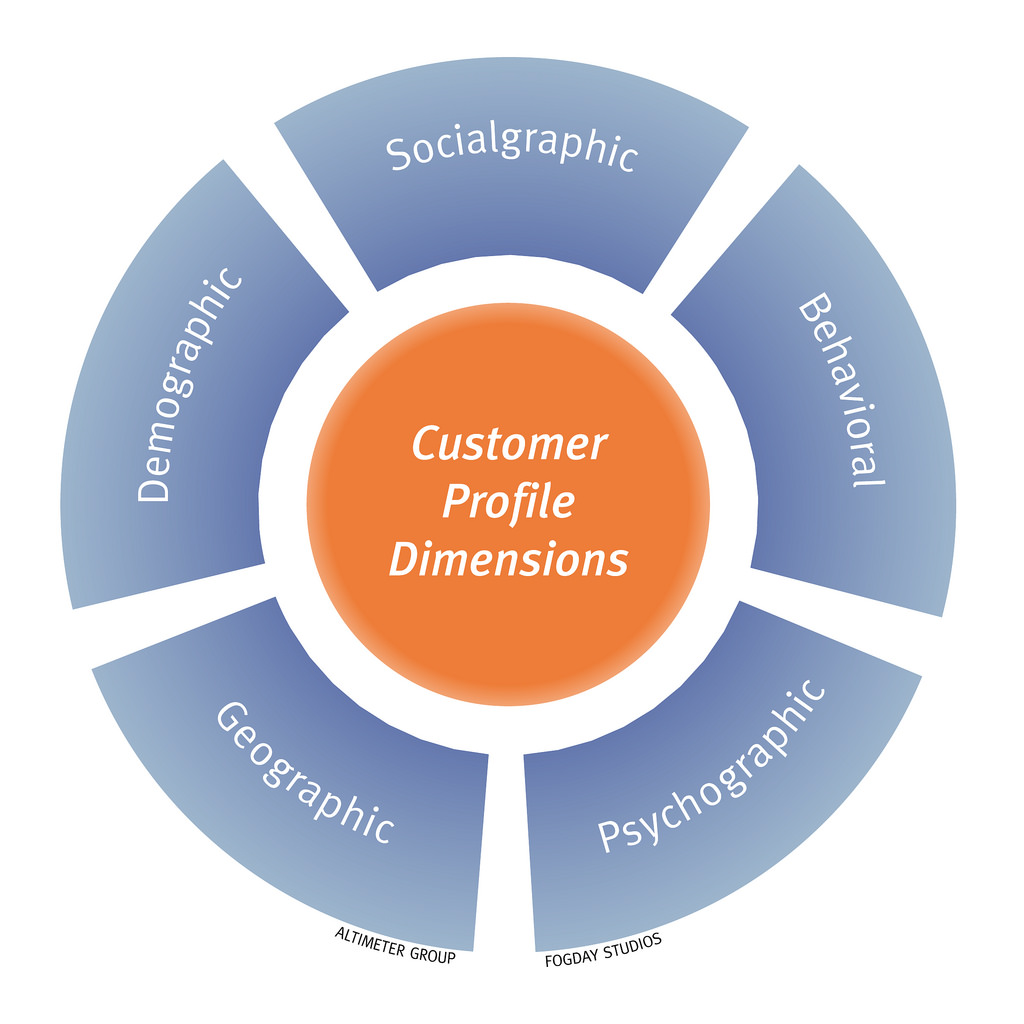
- Improved Customer Segmentation: CRM systems allow financial institutions to segment their customers based on various criteria such as demographics, behavior, and preferences. This enables targeted marketing campaigns and personalized communication.
- Enhanced Customer Service: CRM systems help financial services companies track customer interactions, resolve issues efficiently, and provide timely and relevant information to customers. This leads to improved customer satisfaction and loyalty.
- Increased Cross-Selling and Upselling Opportunities: By analyzing customer data and behavior, CRM systems enable financial institutions to identify cross-selling and upselling opportunities. This helps in increasing revenue per customer.
- Improved Sales Performance: CRM systems provide insights into sales pipelines, customer interactions, and sales team performance. This helps in optimizing sales strategies, improving sales efficiency, and closing deals faster.
Key Features to Look for in CRM for Financial Services
When selecting a CRM system for financial services, it is crucial to consider specific features that cater to the unique needs of the industry. These features can help streamline processes, enhance customer relationships, and ensure compliance with regulations.
Automation in CRM Systems
Automation plays a vital role in CRM systems for financial services by reducing manual tasks, improving efficiency, and ensuring consistency in processes. Automated workflows can help streamline customer interactions, lead management, and data entry, saving valuable time and resources.
Data Analytics Integration
Integrating data analytics into CRM systems allows financial institutions to gain valuable insights into customer behavior, preferences, and trends. By analyzing this data, organizations can make informed decisions, personalize marketing strategies, and forecast future needs effectively.
Compliance and Security Features
Compliance and security features are paramount in CRM systems tailored for financial services due to the sensitive nature of client information and the strict regulations governing the industry. Features such as data encryption, access controls, and audit trails help ensure data protection and compliance with industry standards.
Cross-Selling and Upselling
CRM systems can facilitate cross-selling and upselling in the financial services industry by providing insights into customer profiles, behaviors, and needs. By leveraging this information, organizations can identify opportunities to suggest relevant products or services to existing clients, increasing revenue and customer satisfaction.
Security and Compliance Considerations
Data security is a critical aspect of CRM systems for financial institutions, given the sensitive nature of the information they handle. In addition to protecting customer data, financial organizations must also comply with various regulations to ensure data privacy and security.
Importance of Data Security
Financial institutions deal with a vast amount of confidential information, including personal and financial data of their clients. Ensuring data security is crucial to maintain trust and credibility in the industry.
- Implementing encryption protocols to safeguard data both at rest and in transit.
- Role-based access control to restrict unauthorized access to sensitive information.
- Regular security audits and vulnerability assessments to identify and address potential risks.
Compliance Requirements
Financial institutions must adhere to various compliance requirements, such as GDPR (General Data Protection Regulation), CCPA (California Consumer Privacy Act), and industry-specific regulations like FINRA (Financial Industry Regulatory Authority).
- GDPR: Ensuring that customer data is collected and processed in a lawful and transparent manner, with explicit consent from individuals.
- CCPA: Providing consumers with the right to know, delete, and opt-out of the sale of their personal information.
- Industry-specific regulations: Meeting the specific data security and privacy requirements outlined by regulatory bodies like FINRA.
Security Measures in Top CRM Systems
Leading CRM systems for financial services have robust security measures in place to safeguard sensitive data and ensure compliance with regulations.
For example, Salesforce Financial Services Cloud offers data encryption, secure access controls, and audit trails to track user activities and ensure data integrity.
Microsoft Dynamics 365 for Finance and Operations provides role-based security, data loss prevention, and compliance management tools to meet regulatory requirements.
Customization and Integration Capabilities
Customization and integration capabilities are crucial aspects of CRM systems for financial services, allowing organizations to tailor the platform to their specific needs and seamlessly integrate it with other essential tools.
Significance of Customization Options
Customization options in CRM systems for financial services enable organizations to adapt the platform to their unique workflows and business processes. This flexibility allows for a more personalized user experience, improved efficiency, and better alignment with the organization’s goals and objectives.
Challenges and Benefits of Integrating CRM with Other Financial Tools
- Challenges:
- Compatibility issues between different systems
- Data migration and synchronization challenges
- Complexity of integrating systems with varying architectures
- Benefits:
- Streamlined processes and workflows
- Enhanced data accuracy and consistency
- Improved decision-making through access to integrated data
Examples of Successful CRM Integrations in the Financial Sector
Several financial organizations have successfully integrated their CRM systems with other tools to enhance their operations:
- Integration of CRM with accounting software to automate invoicing and financial reporting processes.
- Integration with portfolio management tools for a comprehensive view of client investments and financial status.
- CRM integration with financial analytics platforms for data-driven insights and personalized client recommendations.
User Interface and User Experience
When it comes to CRM software for financial services, the user interface plays a crucial role in ensuring efficiency and ease of use for financial professionals. A user-friendly interface can make a significant difference in how effectively users can navigate the system and access the information they need.
Importance of User-Friendly Interface
- A user-friendly interface reduces the learning curve for employees, allowing them to quickly adapt to the system and focus on their tasks.
- Intuitive navigation and clear layouts help users access client information, track interactions, and manage tasks efficiently.
- Customizable dashboards and reporting tools enhance user experience by providing relevant insights at a glance.
Role of UX Design
- UX design focuses on creating a seamless experience for users, improving productivity by streamlining workflows and minimizing friction points.
- By understanding user needs and behaviors, UX design can optimize the CRM system for better user adoption and engagement.
- Consistency in design elements and logical flow contribute to a positive user experience, leading to increased efficiency and satisfaction.
Examples of CRM Systems with Excellent User Interfaces
- Salesforce Financial Services Cloud: Offers a visually appealing interface with customizable dashboards and robust features tailored for financial services professionals.
- Microsoft Dynamics 365 for Finance and Operations: Provides a user-friendly interface with seamless integration capabilities and advanced analytics for financial insights.
- HubSpot CRM: Known for its intuitive design and user-friendly features, HubSpot CRM simplifies lead management and customer interactions for financial teams.
Scalability and Flexibility
Scalability and flexibility are crucial factors to consider when implementing CRM systems in the insurance industry. Let’s delve into why these aspects are essential for insurance companies.
Importance of Scalability in CRM for Insurance Companies
Scalability in CRM systems for insurance companies is vital due to the dynamic nature of the industry. As insurance firms grow and expand their client base, the CRM system needs to accommodate the increasing volume of data and interactions seamlessly. A scalable CRM solution ensures that the system can handle the growth without compromising performance or user experience.
Tailoring a Flexible CRM Solution for Insurance Firms
A flexible CRM solution allows insurance companies to customize the system to meet their specific requirements. This adaptability is crucial in an industry where each firm may have unique processes, workflows, and data management needs. By tailoring the CRM system, insurance companies can optimize their operations, enhance customer relationships, and improve overall efficiency.
Case Studies of Insurance Companies Benefiting from Scalable CRM Systems
One notable example is XYZ Insurance, which implemented a scalable CRM system that grew with the company as it expanded into new markets. The CRM solution allowed XYZ Insurance to effectively manage customer data, track interactions, and analyze performance metrics across multiple branches. As a result, XYZ Insurance saw a significant increase in customer satisfaction, retention rates, and overall profitability.
Customer Data Management
Customer data management is a critical aspect of any CRM system for financial services. Effectively managing customer data can lead to improved marketing and sales efforts, ultimately driving business growth. Let’s explore the best practices and strategies for managing customer data within a CRM system for financial services.
Best Practices for Customer Data Management
- Centralize all customer data in one place to ensure consistency and easy access.
- Regularly update and clean the data to ensure accuracy and relevancy.
- Implement data security measures to protect sensitive customer information.
- Segment customer data based on various criteria to personalize marketing and sales efforts.
Leveraging Customer Data for Marketing and Sales
- Use customer data to create targeted marketing campaigns that resonate with specific customer segments.
- Analyze customer data to identify trends and patterns that can inform sales strategies and product offerings.
- Personalize customer interactions based on past behaviors and preferences to enhance the overall customer experience.
Business Growth through Effective Customer Data Management
Effective customer data management has been shown to drive business growth in financial services. For example, a leading bank utilized customer data analytics to identify cross-selling opportunities and tailored product recommendations. This led to an increase in customer engagement, loyalty, and ultimately, revenue. By leveraging customer data effectively, financial institutions can not only improve customer relationships but also achieve sustainable business growth.
Reporting and Analytics Capabilities
Effective reporting and analytics capabilities are crucial for CRM systems in the financial services sector as they provide valuable insights and help in making data-driven decisions.
Importance of Data Analytics in Financial Institutions
- Data analytics enable financial institutions to analyze customer behavior, identify trends, and forecast future outcomes.
- By leveraging advanced analytics tools, financial firms can optimize marketing strategies, improve customer satisfaction, and enhance operational efficiency.
- Analytics also play a key role in risk management, fraud detection, and compliance monitoring within the financial services industry.
Advanced Reporting Tools in CRM Software
- One example of advanced reporting tools available in CRM software for financial services is customizable dashboards that allow users to visualize key performance indicators (KPIs) in real-time.
- Another example is predictive analytics, which uses historical data to forecast customer behavior and tailor personalized offerings.
- Furthermore, reporting features that offer drill-down capabilities and ad-hoc reporting functionalities empower users to extract specific insights and create custom reports as needed.
Mobile Accessibility and Cross-Platform Functionality
Mobile accessibility and cross-platform functionality play a crucial role in enhancing the efficiency and productivity of financial services professionals who are always on the go. With the increasing reliance on mobile devices and multiple platforms, having a CRM system that offers seamless access and compatibility across different devices is essential.
Significance of Mobile Accessibility
- Mobile accessibility allows financial services professionals to access critical customer data, update information, and respond to inquiries while away from their desks.
- It enables real-time collaboration and communication with clients, leading to quicker decision-making and improved customer service.
- CRM systems with mobile accessibility empower users to stay connected and productive, even when they are not in the office.
Benefits of Cross-Platform Functionality
- Cross-platform functionality ensures that users can seamlessly switch between devices without losing any data or functionality.
- It provides flexibility and convenience for professionals who use different devices for work, such as smartphones, tablets, and laptops.
- Users can access the CRM system from any device, at any time, making it easier to stay organized and responsive to client needs.
Examples of CRM Platforms with Mobile Accessibility and Cross-Platform Support
- Salesforce CRM offers a mobile app that provides full access to customer data, sales opportunities, and analytics on various mobile devices.
- HubSpot CRM is known for its responsive design and seamless cross-platform functionality, allowing users to work efficiently across different devices.
- Zoho CRM provides a mobile-friendly interface with customizable settings for mobile usage, ensuring a smooth user experience on smartphones and tablets.
Importance of Responsive Design
- Responsive design ensures that the CRM platform adapts to different screen sizes and resolutions, providing an optimal user experience on any device.
- It eliminates the need for users to pinch and zoom to view content, enhancing usability and accessibility for professionals working on smartphones and tablets.
- Responsive design plays a critical role in improving user engagement and satisfaction by offering a consistent and intuitive interface across all devices.
Customizing CRM Settings for Mobile Usage
- Users can personalize their CRM settings for mobile usage by adjusting notifications, layout preferences, and data visibility to suit their individual needs.
- Customizing CRM settings for mobile allows professionals to focus on the most relevant information and tasks while on the go, increasing efficiency and productivity.
- By tailoring the CRM platform to their preferences, users can streamline their workflow and optimize their mobile experience for maximum effectiveness.
Training and Support Options
Implementing CRM in financial services requires robust training programs and comprehensive support services to ensure successful adoption and utilization of the software.
Effective Training Methods
- Develop a step-by-step training program tailored to the specific needs of financial service employees, focusing on practical applications and real-life scenarios.
- Hands-on training sessions are essential for effective CRM software adoption as they allow employees to interact with the system directly and apply their learning in a controlled environment.
- Role-playing exercises can enhance employee understanding and proficiency with CRM tools by simulating real customer interactions and problem-solving scenarios.
Support Services Implementation
- Set up a dedicated support team equipped with in-depth knowledge of the CRM software to assist employees with any issues or queries they may have.
- Integrate CRM support services seamlessly into existing helpdesk systems to ensure a smooth transition and easy access to assistance whenever needed.
- Regular feedback sessions with employees can help identify common issues, gaps in knowledge, and areas for improvement in the CRM support services, ultimately enhancing their effectiveness.
Monitoring and Evaluation
- Key performance indicators (KPIs) such as user adoption rate, data accuracy, and customer response time can be used to track the success of CRM training programs in financial institutions.
- Evaluate the impact of support services on CRM utilization and customer satisfaction through feedback surveys, performance metrics, and user testimonials.
- Continuous monitoring and feedback loops are crucial in optimizing CRM training and support initiatives, allowing for adjustments and improvements based on real-time data and user feedback.
Industry-specific Solutions
Industry-specific CRM solutions are tailored to meet the unique needs of financial sectors such as banking, insurance, and wealth management. These specialized platforms offer targeted features and functionalities to address the specific challenges faced by each segment of the financial industry.
Banking Sector CRM Solutions
- Banking CRM systems focus on managing customer relationships, tracking leads, and streamlining sales processes specific to the banking sector.
- Examples of banking CRM platforms include Salesforce Financial Services Cloud, Oracle Financial Services CRM, and Microsoft Dynamics 365 for Banking.
- These CRM solutions offer integration with core banking systems, compliance management tools, and personalized customer service capabilities.
Insurance Sector CRM Solutions
- Insurance CRM software is designed to manage policyholder information, claims processing, and agent performance tracking.
- CRM platforms like HubSpot CRM for Insurance, AgencyBloc, and Ebix CRM cater to the unique needs of insurance companies.
- These solutions provide automated workflows, policy renewal reminders, and lead management tools to enhance operational efficiency.
Wealth Management Sector CRM Solutions
- Wealth management CRM systems focus on client portfolio management, financial planning, and investment tracking for financial advisors.
- CRM platforms such as Junxure, Redtail CRM, and Wealthbox CRM offer specialized features to meet the demands of wealth management firms.
- These solutions provide advanced reporting capabilities, client communication tools, and integration with financial planning software.
Advantages of Industry-specific CRM Solutions
- Industry-specific CRM software is tailored to the unique workflows and processes of each financial sector, enhancing operational efficiency.
- These solutions offer specialized features and integrations that address the specific needs of banking, insurance, or wealth management firms.
- Industry-specific CRM platforms can improve customer relationships, streamline sales processes, and increase overall productivity in financial organizations.
Cost Considerations
Implementing CRM systems in financial services requires a thorough analysis of cost factors to ensure optimal investment and return on investment. In the context of financial institutions, understanding the pricing models, potential hidden costs, and ROI calculation methods is crucial for successful CRM implementation.
Pricing Models for CRM Systems in Financial Institutions
- Subscription-Based Pricing: Many CRM vendors offer subscription-based pricing models where financial institutions pay a recurring fee for access to the CRM system.
- Per-User Pricing: Some CRM solutions charge based on the number of users accessing the system, making it scalable according to the organization’s size.
- Customized Pricing: Tailored pricing models may be offered by CRM vendors to meet the specific needs and budget constraints of financial institutions.
Comparing TCO of On-Premise vs. Cloud-Based CRM Solutions
- On-Premise CRM Systems: Initial costs for hardware, software licenses, installation, and maintenance contribute to a higher upfront investment. However, long-term costs may be lower due to reduced subscription fees.
- Cloud-Based CRM Solutions: Lower initial investment with pay-as-you-go pricing, but recurring subscription fees can add up over time. However, cloud solutions offer scalability and flexibility.
Hidden Costs to Consider in CRM Implementation
- Integration Costs: Expenses related to integrating the CRM system with existing software or databases within the financial institution.
- Training Costs: Investment in training employees to effectively use the CRM system and maximize its benefits.
- Data Migration Costs: Transfer of data from legacy systems to the new CRM platform, which may involve additional resources and time.
ROI Calculation Methods for CRM Implementations in Financial Sector
- Customer Acquisition Costs: Calculating the cost of acquiring a new customer through CRM activities and comparing it with the revenue generated.
- Retention Rate Improvement: Analyzing the impact of CRM on customer retention and calculating the value of retained customers over time.
- Productivity Gains: Measuring the increase in productivity and efficiency resulting from CRM implementation and its financial impact on operations.
Case Studies and Success Stories
In the realm of financial services, the implementation of CRM systems has led to remarkable transformations for various institutions. Let’s delve into some case studies and success stories to understand the impact of CRM on operations, customer relationships, and business growth.
Case Study 1: Bank XYZ
- Bank XYZ successfully implemented a CRM system, streamlining their customer data management processes and enhancing personalized interactions with clients.
- The CRM system enabled Bank XYZ to improve customer retention rates by 20% within the first year of implementation.
- By customizing the CRM to track customer preferences and behavior, Bank XYZ was able to offer tailored financial solutions, resulting in increased customer satisfaction and loyalty.
- Data analytics played a crucial role in identifying cross-selling opportunities and automating follow-up processes, ultimately boosting revenue for Bank XYZ.
Case Study 2: Investment Firm ABC
- Investment Firm ABC faced challenges during CRM implementation but overcame them by providing extensive training to employees and gradually introducing new features.
- After integrating their CRM system with third-party applications, Investment Firm ABC saw a significant improvement in data accuracy and efficiency in managing client portfolios.
- The use of automation in lead tracking and follow-up communications led to a 25% increase in new client acquisitions for Investment Firm ABC.
- With real-time reporting and analytics capabilities, Investment Firm ABC could make data-driven decisions to optimize their investment strategies and client engagement initiatives.
Key Takeaways
- CRM systems have proven to be instrumental in enhancing customer relationships, improving operational efficiency, and driving business growth for financial institutions.
- Customization options, data analytics, and automation features play a vital role in maximizing the effectiveness of CRM systems in the financial services sector.
Final Review
In conclusion, Best CRM for Financial Services sheds light on the crucial role of CRM systems in enhancing customer relationships, optimizing operations, and driving business growth in the financial industry. Embrace the power of CRM to stay ahead in this competitive landscape.